Get Full Government Meeting Transcripts, Videos, & Alerts Forever!
Get email alerts on the School Closures topic
No spam. Unsubscribe anytime.
Ventura Unified outlines school‑closure committee, timeline and criteria
Summary
District officials said declining enrollment — about 300 students a year — is reducing revenue roughly $3.6 million annually and described a 23‑member advisory committee, review criteria and a multi‑meeting schedule that could lead to board deliberations in Nov–Dec 2026.
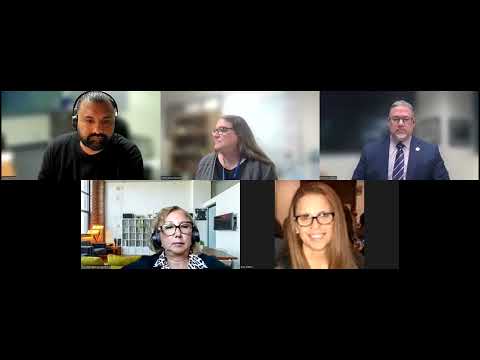
At a family webinar on the district’s school‑closure advisory process, district officials described a months‑long review that will be run by a 23‑member advisory committee and provide recommendations to the board, which alone will decide any school closures.
Dr. Castro opened the presentation and framed the issue as driven primarily by enrollment declines. "Ventura County is going through and has been going through a tremendous declining enrollments," Dr. Castro said, and staff estimated the district is losing about "300 students" a year. Using an average of about $12,000 per pupil, presenters said that equates to roughly $3.6 million in lost funding annually.
The committee will operate under the Brown Act with public agendas and comment, officials said. Dr. Mirza, identified in the webinar as the district’s assistant superintendent of business services, outlined the committee’s schedule and work plan: the first meeting, intended as an organizational session, is scheduled for 03/19/2026; subsequent meetings will review demographic projections, facilities inventories, educational supports and fiscal impacts.
Officials described the rubric the committee will use to evaluate sites. "One criterion looks at enrollment," Dr. Mirza said. Other data points include permanent classroom capacity, unduplicated pupil counts (low‑income students, foster youth and English learners), specialized programs and environmental or site‑specific constraints such as easements or seismic issues. Staff emphasized the rubric is data driven and uses census‑day figures (for example, October 31 counts), which presenters said means families cannot alter a school’s score after that snapshot date.
Committee composition and transparency: staff said the board approved a 23‑member committee on 01/27/2026 that includes union presidents, residents, classified and certificated employees, students and business representatives, with roughly four members from each trustee area. The committee membership and the materials it reviews will be posted with meeting agendas on a district website.
On staffing and programs: presenters said staffing follows enrollment and collective bargaining agreements. "We staff to enrollments," Dr. Castro said; teachers and related supports follow the students, and overload compensation is governed by existing contracts. Officials said specialized programs (dual immersion, career technical education, special education) will be factored into the committee’s analysis to determine whether those programs could be relocated or preserved at other sites.
Exceptions and likely outcomes: presenters said Buena High School and Ventura High School are not under consideration, because their size and program needs make consolidation infeasible. Officials repeatedly said the advisory committee will make recommendations but the board retains final authority and is not obligated to act on any particular timeline.
Next steps and public engagement: staff said the committee’s draft report could be submitted to the board no sooner than Oct. 13, 2026, with possible board deliberations in November or December 2026. The district will post agendas and data used by the committee, accept public comment at committee meetings and update FAQs; Marie Anne said the district would publish board contact information in its March 12 newsletter.
The webinar closed with presenters thanking attendees and encouraging participation in the public committee meetings.