Get Full Government Meeting Transcripts, Videos, & Alerts Forever!
Get email alerts on the District Budget topic
No spam. Unsubscribe anytime.
Sequoia Union officials warn salary deal will deepen near‑term budget shortfall
Summary
District finance staff told parents the current budget projects a $6.1 million operating deficit that could rise to about $12 million after a recently negotiated salary agreement, and said AB 1,200 frames the board's fiduciary duty while the school‑closure statute cited does not apply to the district.
Sequoia Union High School District finance officials told parents that the district faces a multi‑year budget outlook showing a current operating deficit and increased pressure after a recent salary agreement.
"By law, school boards have a responsibility to ensure the district is fiscally solvent," Janae Marking, the district's assistant superintendent of administrative services and chief business official, told the webinar audience. Marking said the district's multi‑year projection shows a current‑year operating deficit of about $6,100,000 before the salary agreement and that including negotiated salary costs would increase the deficit to roughly $12,000,000.
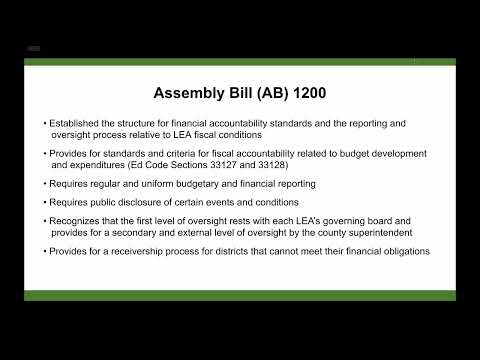
Marking framed the board's responsibilities under state law: "Assembly Bill 1,200 or AB 1,200 ... serves as the state's fiscal safety net for school districts," she said, describing requirements that include timely interim reports, disclosure of negotiated agreements and county oversight. On questions about whether a separate law tied to school closures applies, Marking said the statute referenced in public questions (Assembly Bill 1912 as cited in the presentation) applies only to districts in fiscal distress and does not apply to Sequoia Union because the district is not in state receivership.
Why it matters: the district said its reserve levels currently meet the board's 8% policy on the snapshot presented, but Marking warned the reserves would fall below that policy in future years once the full cost of the salary agreement is included in projections. She said a second interim report in March will include the finalized salary costs and additional analysis.
District staff stressed the normal pattern of school budgeting — reliance on property taxes, state and federal funding and grants — and noted that interim reports are intended to keep the board and public informed as actuals replace assumptions. Marking said the district will present additional fiscal details in Part 2 of the community webinars and in the March interim report.
What's next: staff said they will add the salary impacts to the second interim report and present updated projections; the superintendent will use staff analysis to formulate a recommendation for the board's February 4 meeting, and the board will hold a January 26 study session where the public can comment.
No formal motion or vote occurred during the webinar.