Get Full Government Meeting Transcripts, Videos, & Alerts Forever!
Get email alerts on the Fiscal Solvency topic
No spam. Unsubscribe anytime.
West Contra Costa Unified board approves three‑year fiscal solvency plan; directs staff to try to preserve outreach workers and music
Summary
The board approved a three‑year fiscal solvency plan to close a projected $127.2 million shortfall over three years while adding directives to seek ways to retain school community outreach workers, pursue attendance recovery, and explore using Prop 28/one‑time funds to sustain elementary music teachers and review the Spanish for Spanish speakers offering at Kennedy High.
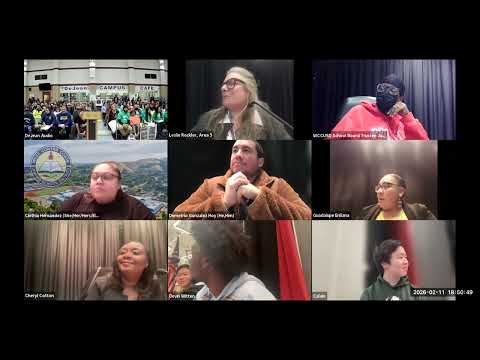
The West Contra Costa Unified School District Board of Education voted Feb. 11 to adopt a three‑year fiscal solvency plan that uses reserves, OPEB borrowing and staffing and program reductions to close an estimated $127.2 million gap over the next three years, while directing staff to pursue targeted measures to protect certain student supports.
Superintendent Cotton said the plan reflects “the current fiscal and enrollment reality” — including declining average daily attendance and lower state cost‑of‑living adjustments — and described a mix of actions the district will use, from exhausting Fund 17 reserves to rightsizing staff and seeking revenue enhancements. “We are listening,” the superintendent said, noting more than 700 community members participated in listening sessions that shaped the proposal.
Why it matters: The plan puts the district on a path officials say is necessary to avoid a cash‑flow crisis next fall, but it also drew sustained public opposition. Hundreds of speakers asked trustees to spare school community outreach workers (scows), elementary band teachers, librarians and small K–8 schools from cuts and to delay structural changes such as the proposed merger of Betty Reid Soskin Middle School with Pinole Middle.
Key elements of the plan include exhausting roughly $28.5 million in Fund 17 reserves, borrowing approximately $13 million annually from the district’s OPEB reserve (Fund 71) for the unrestricted budget, and identifying about $60.4 million in reductions for 2026–27 through a combination of rightsizing, operational efficiencies and program reductions. Rightsizing would align staffing with contractual class maximums (for example, up to 22 pupils for K–3 and 35 for secondary classrooms) and rely largely on attrition and vacant positions where possible.
The board approved the plan with specific directives: staff must seek ways to retain as many school community outreach workers as possible by shifting eligible roles to restricted funding sources and revising job descriptions in negotiation with bargaining units; develop an attendance recovery campaign with quarterly progress reports to the board; work with school sites to explore using Prop 28 and other one‑time funds to preserve elementary music teachers where feasible; investigate the status and scheduling of Spanish for Spanish speakers at Kennedy High and, if a need is documented, retain the class for 2026–27; and reconvene a temporary contract review committee in March and April to examine central contracts.
The motion to approve the solvency plan and the appended directions passed on roll call. The board also approved related routine items that evening, including the Expanded Learning Opportunities Program plan and the district’s annual financial audit (see separate articles).
What the plan does not yet decide: Staff presented target reductions by category and bargaining unit but did not list all specific layoffs or site‑level changes; the board approved the approach and directed staff to return with implementation details. Trustees were pressed repeatedly during public comment to phase changes, provide detailed transition plans and prioritize equity for students receiving special education and multilingual services.
The board’s action followed more than an hour of public comment in which teachers, parents and students emphasized the role of scouts and elementary music in stabilizing attendance and supporting vulnerable students. The superintendent and cabinet said they will continue community engagement while completing the operational decisions required to implement the plan. The next board meeting is scheduled for Feb. 25, 2026, where implementation steps are expected to advance.
Ending: The board adopted the fiscal solvency plan with the additional directions and asked staff to return with clearer implementation timelines and quarterly updates on attendance and the status of protected roles.