Scotch Plains-Fanwood board approves tentative 2026–27 budget with 6.1% tax levy increase
Loading...
Summary
The Scotch Plains-Fanwood Board of Education approved a tentative 2026–27 budget that includes a requested 6.1% increase in the local tax levy, citing rising health-care costs, capped state aid and federal funding cuts as the main drivers.
The Scotch Plains-Fanwood Board of Education voted to approve a tentative budget for fiscal year 2026–27 that asks voters and municipal partners to absorb a 6.1% increase in the local tax levy.
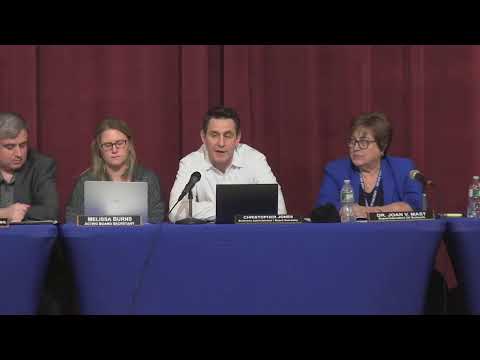
Business Administrator Mister Jones told the board the district is facing “significant financial pressures” including a health-care cost increase projected in the millions, reductions in federal IDEA and ESEA funding and state-aid caps. “So we’re asking for a tax increase 6.1%,” Jones said during the presentation.
Superintendent Dr. Mast said enrollment growth is adding pressure: district enrollment reached 5,718 students in 2025, with demographers projecting roughly 200 additional students over the next two to three years. He warned that some statutory changes raise compliance and administrative costs, and asked the community to support state-level changes that would allow virtual learning during emergency closures.
Administration cited several concrete budget pressures: a cap on state aid increases, extraordinary special-education aid funded at roughly 50% of need, an IDEA cut of about $96,000 and an ESEA cut of roughly $68,000, and a newly enacted sick-leave law adding an estimated $120,000 in operating costs. Jones said the district has negotiated a 15% cap on medical-rate increases for 2026–27 after switching providers to Cigna, but flagged “significant risk” in 2027–28.
To manage costs, Jones said the district implemented more than $1 million in reductions over the past 24 months and trimmed or restructured several positions, including IT administration, human-resources roles, curriculum supervisors and an elementary Spanish teacher. “We’re managing our cost as effectively as we can,” he said.
After questions from trustees, a member moved approval of the tentative budget. The business administrator called the roll and seven board members voted yes; the motion passed. The district will submit the budget to Union County for formal review and the board expects final approval in April.
What happens next: the tentative budget will move through the county review and a public-adoption process with a final local vote or final board adoption consistent with New Jersey procedures. The board encouraged residents with concerns about state funding and health-care mandates to contact state representatives and participate in advocacy efforts.