Lifetime Citizen Portal Access — AI Briefings, Alerts & Unlimited Follows
Moorestown board hears budget drivers, votes to send proposed 2026–27 budget to county for review
Loading...
Summary
Administrators told the Moorestown Township Public School District board that a $3.0 million health‑benefit increase and other pressures drive a proposed 6.19% tax‑levy increase; the board voted to submit the proposed budget to the county superintendent for review (6 yes, 1 no, 1 abstain).
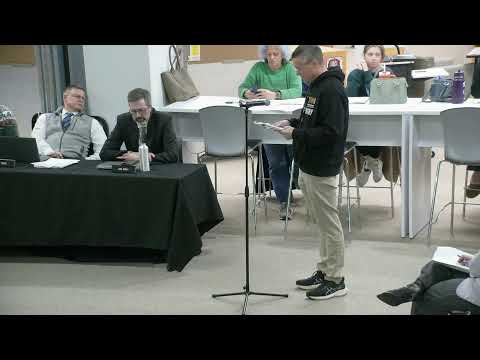
The Moorestown Township Public School District board on March 17 heard a detailed introduction of the proposed 2026–27 budget and voted to send the plan to the county superintendent for review.
Administrators said the budget is being driven by rising health‑insurance costs and other mandatory increases. “Our health benefit increase alone came in at $3,000,000,” said James Heiser, the district’s finance lead. He said those increases, plus utility and contract pressures, required the administration to find roughly $1,600,000 in cuts before considering staffing or program changes.
Dr. McNeely, who led the presentation with Heiser, said the administration applied a mix of strategies — including a health‑benefit adjustment and previously banked tax capacity — to reach a proposed general‑fund tax levy increase of 6.19 percent. She told the board the team had exhausted discretionary options and that deeper cuts would erode services: “Not using the taxing authority … could mean class sizes in K–5 moving to 30 students,” Dr. McNeely said, and she added the reductions represented roughly 43 staff positions and would affect advanced coursework and extracurriculars.
The presentation outlined revenues and offsets: a confirmed state‑aid increase of $397,000, withdrawals from dividend and capital reserves, and a plan to submit extraordinary‑aid claims in May (reimbursements arrive later in the fiscal year). Heiser explained the district’s fund‑balance assumptions and said the average assessed home in Moorestown (about $461,000) would see a monthly impact of roughly $74 on the tax bill as presented.
Board members thanked administrators for the work to find efficiencies. One member said they would review materials further and abstained from the final vote. The roll‑call tally was six yes, one no and one abstention to transmit the proposed budget to the county superintendent for review; final adoption and a public hearing are scheduled for the April 28 board meeting.
The district’s administration stressed the next steps are county review and public outreach. The budget presentation and the board’s submission do not finalize spending for 2026–27 — the board expects further public discussion and a final adoption vote later in April.