Get Full Government Meeting Transcripts, Videos, & Alerts Forever!
Get email alerts on the Budget topic
No spam. Unsubscribe anytime.
Verona Board reviews tentative 2026–27 budget, flags $1.2 million shortfall and possible staffing changes
Summary
The Verona Board of Education reviewed a tentative fiscal 2026–27 budget that relies on $701,000 of fund balance, an allowable health‑care adjustment and other offsets but still identified a $1.2 million remaining imbalance; the presentation warned of a roughly $483 annual tax impact on the average home and said the district may consider up to 13 position reductions.
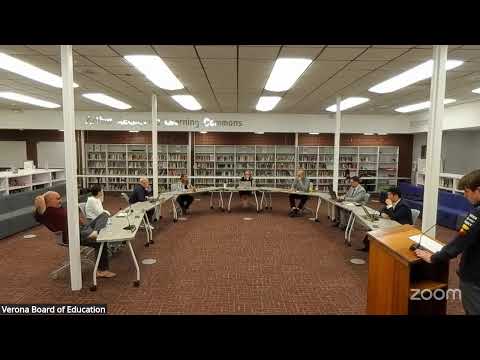
The Verona Board of Education heard a detailed presentation on March 24 about the district’s tentative fiscal 2026–27 budget, which the administration said relies on a mix of state aid, local revenues and a one‑time use of fund balance.
Dr. Riley, who led the presentation, said the district’s general fund balance stands at $47,415,216 and that after initial modeling the budget showed a $3.1 million imbalance that has been reduced but still leaves about $1.2 million to address. He attributed much of the pressure to health‑benefit cost increases and a shortfall in extraordinary state aid for special education tuitions, saying the district had expected to receive roughly $1.2 million in extraordinary aid but the state reimbursed nearer 51% of the applications this cycle.
The administration proposed several balancing steps: increasing projected interest revenue modestly, applying an allowable health‑care waiver (estimated at about $1.4 million), committing $701,000 from fund balance, negotiated savings on contracts, supply‑line reductions and staffing efficiencies. Dr. Riley said the district has "identified the potential of 13 positions that will be considered" as part of balancing, and clarified some position reductions could be addressed through retirements or attrition rather than 13 separate layoffs.
On taxpayer impact, the presentation used a hypothetical average assessed home value of $704,600 and estimated the proposed tax levy change would amount to roughly $483 annually (about $40.25 per month), inclusive of debt service and the Fund 40 levy. The administration also noted that refunding debt service and state aid tied to past SDA‑eligible projects are helping to offset levy pressure in the near term.
Board members pressed for detail on the drivers of the budget gap during a prolonged exchange. Members and the administration discussed Chapter 44 — the state law that changes how employee contributions are calculated — with critiques that employee contributions are capped relative to salary rather than premium cost, a dynamic the board said has contributed to unsustainable local premium increases. Dr. Riley said the district will appeal reduced federal Title I eligibility and has submitted official enrollment documents to the state where appropriate.
The administration said the tentative budget will be submitted to the Executive County Superintendent as required and the district will hold a statutory public hearing on April 28. No final budget adoption occurred at the March 24 meeting.
Actions recorded in the meeting included roll‑call approval of routine personnel and other resolutions necessary for board operations; the tentative budget presentation itself was the basis for the formal budget submission that will move through the required county and public‑hearing process.