Lifetime Citizen Portal Access — AI Briefings, Alerts & Unlimited Follows
Metuchen schools outline 2026–27 budgets as grade realignment shifts programs
Loading...
Summary
District leaders presented school‑by‑school 2026–27 budgets, highlighting a Metuchen High plan under a 2% increase, Edgar Middle’s reallocation after fifth‑grade realignment to Campbell, and rising special‑education contract costs driven by behavioral and out‑of‑district services.
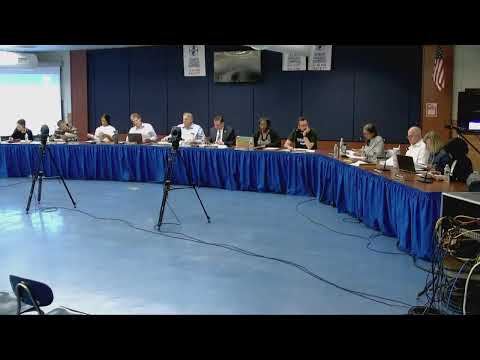
Metuchen Board of Education members on March 10 reviewed school‑based budget proposals for the 2026–27 year, with principals and program leads describing spending priorities tied to curriculum, supplies and the district’s grade realignment.
At Metuchen High School, the principal said the building’s budget aims to keep the school’s increase below 2% while funding textbook replacements, expanded course materials (including new physics and precalculus texts), music instrument protection, and a proposed 3‑D pottery course. "We hope Metuchen High School's 2627 budget plan will end like Shrek the musical, happily ever after," the presenter said, and added the plan emphasizes preserving instructional programming and critical subscriptions such as the student information and assessment systems.
Edgar Middle School’s presenter described a more structural change: "For the first time in many years, Edgar Middle School will no longer house a fifth grade as that grade transitions to its new home at Campbell Elementary," the presenter said, explaining that several line items tied to fifth‑grade activities — including a previously budgeted $15,000 Camp Mason trip and certain general supplies — were shifted to Campbell’s budget to support the transition.
Campbell Elementary’s budget reflects planning for a reduced grade roster while protecting core instructional supports. Presenters said site‑level purchasing (site licenses for resources such as BrainPOP and reading diagnostics) means some costs will not drop one‑for‑one with enrollment; the Campbell presentation also proposed a modest one‑time purchase of double‑sided whiteboards and an expansion of daily science instruction supplies to support hands‑on units.
Special education leaders reported there are about 410 students with disabilities in the district — described as roughly 17% of enrollment — and said the special‑education budget increases are driven largely by contracted professional services (speech, occupational and behavioral services), tuition for out‑of‑district placements and expanded behavioral‑health partnerships. "Out‑of‑district tuition is one of the largest expenses in our department," the special‑education presenter said, noting those placements and their tuition rates increase annually and are not subject to the district’s 2% cap.
Board members asked several clarifying questions during the presentations, including whether textbook purchases are bundled with online access (a board member asked whether buying physical textbooks automatically includes the online component); principals replied that many publishers bundle physical and online materials and that purchasing practices vary by course level. Members also thanked staff for collaboration across buildings during the realignment and for efforts to limit budgetary impacts on instruction.
The board did not take final votes on the district budget at the March 10 meeting; presenters said additional committee and board review will continue in the coming weeks. The board’s next scheduled meeting is March 24, when further budget discussion and decisions may appear on the agenda.