Get Full Government Meeting Transcripts, Videos, & Alerts Forever!
Get email alerts on the Education Policy Remote Instruction topic
No spam. Unsubscribe anytime.
Wayne board asks state to allow remote instruction for two special-election days; resolution approved
Summary
The Wayne Township Board of Education voted to send a resolution asking the state to permit remote instruction on Feb. 5 and April 16 special-election dates to avoid losing school days; the motion passed on a roll call.
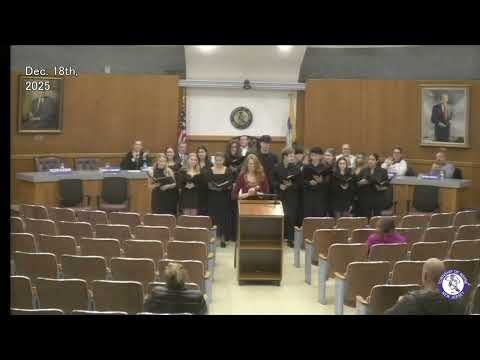
The Wayne Township Board of Education voted Dec. 18 to approve a resolution asking the New Jersey commissioner of education and the governor to authorize remote instruction for two special-election dates, Feb. 5 and April 16, so schools would not have to close or lose instructional time.
Chair said the board was requesting ‘‘the flexibility to do this’’ for the two days, arguing the district’s calendar is tight and that using allotted snow days could push the school year into June. ‘‘We’re asking for this waiver,’’ the Chair said, ‘‘and hopefully the other districts will join us in this as well.’’
Board members discussed the practical effect of the request before a roll-call vote. The Clerk called the roll and the resolution passed; the board stated it will forward the resolution to county and state education officials for consideration. The Chair framed the request as a short-term, limited flexibility for ‘‘an extremely special circumstance’’ tied to the timing of special elections.
Why it matters: Wayne officials said the district’s 180-day calendar leaves little margin for added closures, and remote instruction for election days would allow continuity of instruction without adding make-up days to the end of the school year. The resolution requests that state leaders permit districts to use remote instruction specifically on the Feb. 5 and April 16 special-election dates.
Vote at a glance: The Clerk conducted a roll call on the motion; the board recorded affirmative votes and announced that the motion carried.
Next steps: The board will transmit the resolution to state education officials and neighboring districts affected by the same special-election schedule. Any change to statutory or regulatory requirements would require action by state authorities; the board’s vote itself only files a local request.