Bayonne board previews tentative budget and a 5% health‑care levy adjustment
Loading...
Summary
The Bayonne Board of Education reviewed a tentative budget that includes a $7 million health‑care adjustment (part of a larger $12 million health‑care cost increase) and discussed how that change affects the district’s levy and programs; trustees were briefed on revenue, reserves, and program impacts.
The Bayonne Board of Education on March 17 reviewed a tentative budget that includes a planned $7,000,000 health‑care levy adjustment, part of a roughly $12,000,000 increase in health‑care costs the district said it must budget.
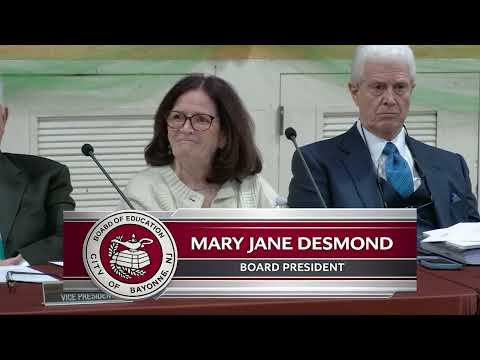
The board chair told trustees the district received about $6,000,000 in additional state aid but that the health‑care adjustment remains necessary. "That number is the exact number that we have to budget as a district," the chair said, explaining the health‑care figures come from the district’s health‑care provider. The chair said the district’s total local tax levy is about $85,000,000 and noted salary and benefits account for the majority of spending: "82 of our budget, this tentative budget is staff and benefits."
Trustees questioned whether the proposed 5% cap increase would be framed to taxpayers as a levy increase and how the adjustment interacts with salary increases and the statutory 2% cap. The chair said the health‑care adjustment is an allowable exception to the 2% local cap and is distinct from salary negotiations, which are budgeted under collective bargaining agreements. "There's 2 different sides," the chair said, distinguishing the revenue (levy) side from the expense (salary) side.
The chair and trustees also discussed reserves and insurance plans. The chair said the district maintains designated reserve accounts for maintenance and capital and cannot draw on those for the health‑care cost spike. Two years ago the district switched from the state health plan to a private plan; the chair said that change limited the district’s year‑over‑year increases to about 5% in some cases, compared with much larger increases elsewhere under the state plan.
On program impacts, the chair said the district does not plan classroom cuts driven by the tentative budget, but acknowledged some summer programs will be reduced because several COVID‑era grants have expired. He confirmed district‑run ESY (Extended School Year) and credit‑recovery programs will continue. The chair also described community education as an enterprise fund that must cover its own costs and said it typically returns $150,000–$200,000 a year to the program.
Next steps: the tentative budget will be submitted to the county for a legality review, and the district will hold a formal budget hearing on April 28 where trustees will present the budget in greater detail, including salary line items and other specifics.