Get Full Government Meeting Transcripts, Videos, & Alerts Forever!
Get email alerts on the College And Career Readiness topic
No spam. Unsubscribe anytime.
Students urge more counseling, real‑world skills and space for exploration in Issaquah schools
Summary
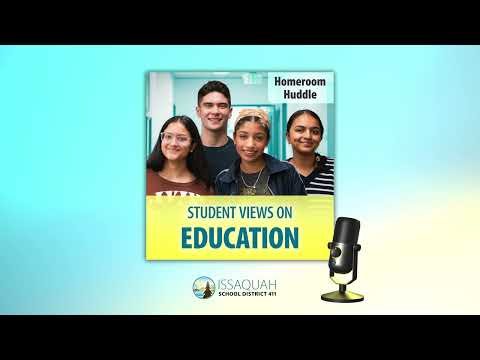
Student representatives and parents on the Homeroom Huddle podcast said students need more accessible college counseling, wider career pathways for non‑college students, internships and intentional use of advisory time to teach financial literacy and life skills.
Students and parents on the Homeroom Huddle episode said high schools should expand counseling and real‑world learning opportunities to better prepare a range of post‑high‑school paths.
"There's a lot of pressure about admissions to college... and I kind of feel there's not enough support for students in figuring out the next steps," said Nila Natarajan. She recommended more accessible college counselor options so students do not avoid that resource because of wait times.
Micah Payo described hands‑on programs at his school that expose students to career skills: "We have internships on Tuesdays and Thursdays... one friend is doing nursing and she's getting certifications... when she graduates high school, she could go and work as a nurse just from the education she's gotten here in high school." Students argued such programs build confidence and direct pathways into the workforce.
Parents interviewed by students emphasized practical skills that helped them after graduation. One parent, identified in the transcript as Vidya Vardarajan, said she wished she had learned financial literacy earlier and emphasized communication and resilience as vital long‑term skills.
Students also flagged mental‑health pressures created by a culture of intense competition and widely distributed extracurricular expectations. They urged adults—teachers and parents—to "give grace" and to allow time for reflection so students can discover and pursue passions rather than follow externally imposed paths.
Why it matters: Students’ requests — more counseling, deliberate use of advisory periods for life skills, and expanded internship and certification opportunities — point to concrete district strategies that could broaden post‑high‑school options and reduce anxiety for students who are not pursuing four‑year college.
The episode’s later quiz referenced a district news item: a $46,596 incentive from Puget Sound Energy for installing efficient systems at Pine Lake Middle School, an example used in the program to discuss district resource management.