Get Full Government Meeting Transcripts, Videos, & Alerts Forever!
Get email alerts on the Education Technology topic
No spam. Unsubscribe anytime.
Issaquah student reps: AI can aid learning but schools should train teachers on responsible use
Summary
Student representatives told the Homeroom Huddle podcast that AI is both a helpful study tool and a potential source of academic dishonesty; they urged district training for teachers so students learn productive uses rather than being shut out.
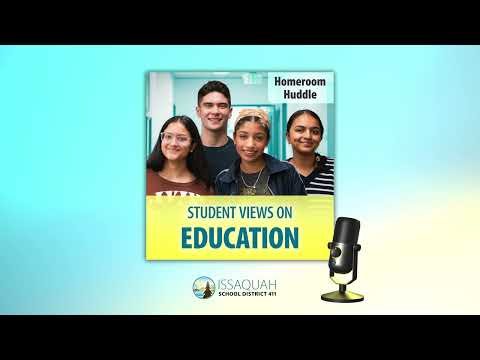
Students in the Issaquah School District described mixed views on artificial intelligence in education during the Homeroom Huddle episode, saying AI can be a valuable study aid but also a temptation for dishonest use.
"Definitely a mix of both," said Nila Natarajan of Skyline High School. "A lot of students also rely on it for, like, studying, and it's a good resource if... your teacher isn't able to provide as many resources as you want for reviewing." Nila and other student reps said blanket prohibitions risk leaving students unequipped for future workplaces that rely on tools like CoPilot.
Micah Payo said conversations at his school moved from fear to pragmatic use: "How can we use AI in a way that's gonna make us become better as people... and figure out ways to make it more productive instead of causing more harm." He described students using AI for feedback, grammar checks and practice quizzes when a live expert is not available.
Several students urged the district to train teachers on how to integrate AI productively so classrooms can teach both tool skills and the technology’s limitations. "If teachers shut out AI and give students a bad perspective on it, then that makes them less prepared for their future careers," said Laya Dilip.
Why it matters: Students want policies that distinguish misuse from legitimate instructional and skill‑building uses. Their recommendation — district training for teachers and explicit classroom guidance — is a practical next step that would allow students to practice responsible AI use while minimizing academic integrity risks.
The students emphasized that AI should be framed as an editor or feedback tool rather than a replacement for original student work. They urged district leaders to consider guidance that teaches what AI can and cannot do and how to evaluate its outputs.