Get Full Government Meeting Transcripts, Videos, & Alerts Forever!
Get email alerts on the Student Voice topic
No spam. Unsubscribe anytime.
Student representatives say they bridge classroom concerns and the Issaquah School District board
Summary
Four Issaquah School District student representatives described how they gather classmates’ input, prepare operational reports for board meetings and amplify student priorities, saying their role helps the board hear current student perspectives on policies, scheduling and well‑being.
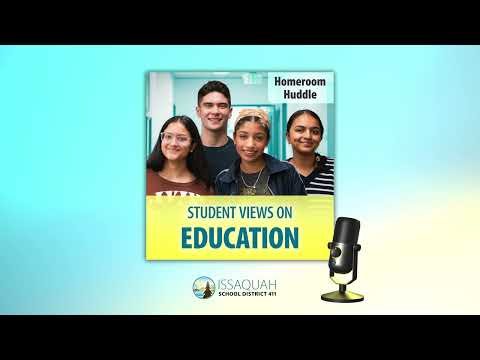
Four student representatives to the Issaquah School District board told the Homeroom Huddle podcast they serve as a direct conduit between students and district decision‑makers, collecting peer feedback, preparing monitoring reports and speaking at board meetings.
"A big part of our role is really talking to students in our schools — our classmates, our friends — to get their voice," said Laya Dilip, a student representative from Liberty High School. Micah Payo of Gibson Eck High School described the work as both reporting and amplifying: "We send out surveys... and then we go to the school board and we give our report on top of the monitoring report that they already have."
Micah said student reps sometimes prepare operational expectations (OE) reports; he said he would report on OE 12, the district’s learning environment monitoring item. The students said those reports and in‑school outreach let them bring concrete examples and concerns to the board rather than only general impressions.
The students described the role as educational for themselves as well: attending meetings taught them board vocabulary and showed how long some decisions can take — months or longer. They also said they use required advisory time and other school structures to collect input and prepare presentations for the board.
Why it matters: Student representatives provide the board with first‑hand, contemporary perspectives on how policies and practices play out in classrooms and on campuses. Board members, they said, benefit from hearing what is actually affecting students rather than only adult summaries.
The podcast episode ends with the students’ observation that the role demands both outreach and follow‑through: they must solicit peer input, translate it into a clear report and present it during board monitoring cycles so the district can respond in future meetings.