Westfield introduces 2026 operating and capital budgets; public hearing set for April 21
Loading...
Summary
Mayor and staff introduced Westfield’s 2026 municipal operating budget (approximately $55.64 million) and a $5.4 million capital program, saying the municipal share would raise the average homeowner’s bill by roughly $80 a year; the council approved introducing the budget and set a public hearing and final vote for April 21.
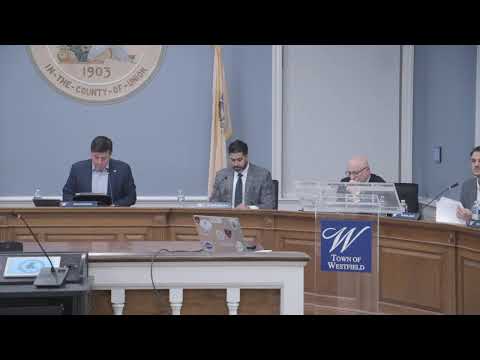
Mayor Burman opened the meeting by announcing that the town is introducing its 2026 municipal operating and capital budgets and encouraging public review ahead of the formal hearing. “Tonight, we are introducing Westfield's 2026 municipal operating and capital budgets,” the mayor said as the council began the statutory introduction process.
Town administrator Jim Goday led a detailed presentation on the budget process, timeline and major figures and said the introduction is the public’s opportunity to review the proposal before adoption. “This presentation, by the way, will be posted on our website, after the meeting,” Goday said, adding that the public hearing and adoption are scheduled for April 21.
The presentation laid out key revenue and expenditure items. The proposed 2026 operating budget was presented as approximately $55,642,991, with an associated capital program of roughly $5.4 million. Presenters emphasized that about 16% of the overall tax bill is retained by the town for municipal services, and that the town’s share of property taxes funds police, fire, public works and other local services. Officials estimated the municipal portion of the average homeowner’s tax bill would increase by about $80 a year (roughly $6.67 per month).
Goday detailed revenue sources the town expects to rely on, including state aid (described in the presentation as essentially unchanged from prior years, at about $3,109,000), shared-services reimbursements from the regional health department, sewer fees, construction-permit revenues and a modest amount of pilot revenue tied to Westfield Crossing (noted in the presentation as about $280,000 for the coming year). The administration said the finance committee recommended keeping the surplus at the same level as last year to help manage the tax rate and maintain future fiscal flexibility; the presentation did not include a line-item amount for that surplus in every remark.
On the spending side, the presentation said nearly half of the proposed appropriations would fund public safety and public works, including investments in the town’s upgraded 911 system, first-responder compensation, and road and drainage projects. The capital program highlights more than 40 road segments scheduled for milling, paving and stormwater upgrades, as well as projects at Sid Fay Houlihan (parking and comfort stations), design work for a pocket park at 200 South Avenue, Quimby Street and Tamaques Park design efforts, and other equipment and facility repairs.
Council members who spoke praised the work of staff, the finance committee and auditors. Councilman Venkataraman thanked department heads and the CFO for producing what he described as a “thoughtful” presentation; Councilman Kiefer urged care in balancing the use of surplus funds with the need to maintain reserves.
Next steps: the council voted to introduce the budget for public notice and review during the meeting’s formal roll call; the public hearing and final adoption are scheduled for April 21, when residents may speak and the council will consider adoption.
Funding and procedural details not specified in the presentation (for example, any single-year surplus dollar figure mentioned in passing during the audio) are listed in the budget documents the town has said will be posted to the website. Those materials will be the formal record of line-item amounts and will be available before the April 21 hearing.