Highlands officials outline state flood-rule changes that will raise design elevations and affect many shore properties
Loading...
Summary
Construction official Steven Winters told a Highlands informational session that new state rules due to take effect July 20 add a 4-foot inundation adjustment and a 1-foot freeboard to design flood elevation, expand mapped flood areas and create new engineer‑filed permit categories that will increase planning costs for homeowners and builders.
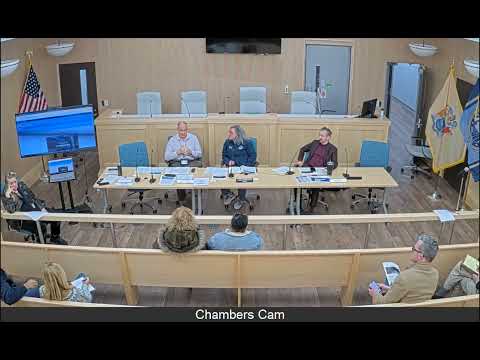
At an informational meeting hosted by Highlands officials, Construction Official and Certified Floodplain Manager Steven Winters said recently passed state rules will significantly raise local building elevation requirements and change who must file permits with the state.
"It is passed legislation on January 20 and it is due to take effect on July 20," Winters said, explaining that new requirements add a one‑foot freeboard above the design flood elevation (DFE) and a separate four‑foot CAFE (inundation) adjustment to the design flood. Using a base example of 11 feet, Winters said the combined adjustments would be 16 feet for design purposes, though he cautioned that is not measured as 16 feet above current ground level.
Why this matters: the combined increase pushes more properties into areas that must meet higher construction standards and may require engineer‑certified filings. Winters said the borough prepared handouts and will post a detailed web page, and repeatedly urged residents and developers to consult qualified design professionals before submitting plans.
Winters walked through how the rules affect residential and commercial work. For new residential construction, additions or substantial improvements, mechanical and electrical equipment must be placed above the DFE and certain floodproofing work (for vents, ducts and similar systems) will require engineered, watertight designs and certification. He said some permit pathways are automatic, but others — "permit by certification" and "permit by registration" — require engineer filings that an applicant cannot submit on their own.
The construction official gave a practical example to illustrate cost and resale effects: a homeowner seeking modest renovations on a shore house that sits several feet below the new combined elevation could face roughly $200,000 or more to elevate the structure to comply. "This is going to increase the cost of homes," Winters said.
Winters also clarified that DEP/CAFE rules expanding the inundation risk zone do not automatically change FEMA/NFIP flood‑insurance obligations; FEMA maps determine insurance requirements, while the state rules determine permitting and construction thresholds under Title 7 and the Uniform Construction Code.
Staff highlighted mapping tools the borough has posted: Forerunner map layers and the New Jersey DEP inundation risk map, where residents can look up a property by block and lot. Borough staff said they have identified about 502 properties that will be in the expanded flood zone and noted two redevelopment areas affected: Captains Cove Marina and the Bay Avenue Center Business District (151 parcels). Officials urged residents to check elevation certificates before assuming compliance: older certificates may not meet current standards.
Questions from the public focused on timing and practical fixes. Winters recommended that projects not yet submitted consider filing before the July 20 effective date when feasible and stressed that design professionals unfamiliar with the new rules may need additional time and training. He closed by noting the borough will post the recorded briefing and supporting materials on the Highlands website within a few days and asked residents with specific questions to email Floodplain Management for assistance.
The meeting ended with organizers reminding residents that the handout, web maps and the recording will be available on the borough site.