Get Full Government Meeting Transcripts, Videos, & Alerts Forever!
Get email alerts on the Land Use topic
No spam. Unsubscribe anytime.
Boonton hears plan-conformance pitch from planner; council to consider resolution next meeting
Summary
Town planner Chris Colley briefed the Boonton Town Council on a Highlands Council plan-conformance petition that could make the town eligible for Highlands funding for environmental and planning projects; staff will bring a resolution to the next meeting to authorize submission.
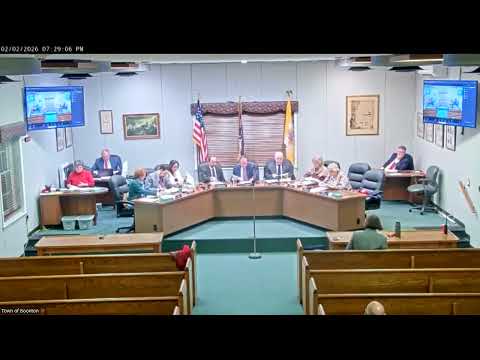
Boonton Town Council heard a presentation Feb. 2 from Chris Colley of Topology outlining a petition for plan conformance with the Highlands Council, a regional agency that administers land-use rules to protect natural resources and drinking-water supplies.
Colley said the petition has two parts: “a look back” that compares the town’s existing land-use regulations with Highlands goals and “a look forward” that lists proposed actions. He told the council municipalities in the Highlands planning area can opt in to adopt regulations such as steep‑slopes rules and that, if granted plan conformance, “you make yourself eligible for funding” to carry out items in an implementation schedule proposed for fiscal year 2026.
Colley directed council members to maps and goals in the packet and said the petition is near completion. He recommended the council adopt a resolution at the next meeting to authorize submission and later, if the Highlands staff endorses the petition and completes its process (including a public‑comment period), to pass a resolution accepting Highlands endorsement.
Council members asked whether the petition would obligate the town to undertake every listed goal and whether committees or the public could still shape priorities. Colley replied that adopting plan conformance is discretionary and that a Highlands-funded center‑planning process would follow the petition, include public engagement and allow the town to refine priorities. He encouraged council input now on ideas that should be included before submission.
Clerk will prepare a draft resolution for the council’s next meeting to authorize submission of the petition.
The next procedural step is the council’s vote on a resolution to transmit the petition; Highlands staff then would conduct a formal review and public‑comment process before final action.