Get Full Government Meeting Transcripts, Videos, & Alerts Forever!
Get email alerts on the Sewer And Wastewater topic
No spam. Unsubscribe anytime.
Waldwick council demands NBCUA address sewage odor, cites public‑health concerns
Summary
The Waldwick Borough Council added and approved a consent resolution asking the NBCUA to address recurring sewage odors and potential gas emissions after a council liaison described a recent meeting with authority executives; residents urged faster, proactive fixes including covering primary tanks.
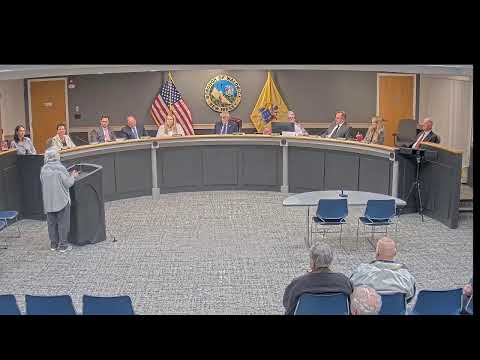
Waldwick Borough Council on Tuesday added a resolution to its consent agenda formally asking the NBCUA to address persistent sewage odors and related public‑health concerns and approved the measure by unanimous roll call.
The council’s public‑works liaison, Councilmember Ritchie, described a recent hour‑long meeting with the sewer authority’s executive director and assistant executive director in which council members pressed for proactive remedies. “If covering the primary tanks will help stem the smell and the gases, we all said we’ll find the money to make that happen,” Ritchie said during his report to the council.
The measure — listed on the consent agenda as Resolution 2026‑98 — was read aloud during the consent portion of the agenda and adopted along with routine licenses, appointments and other items. The clerk recorded the motion as “Motion by Mike, second by Joe,” and the council voted in favor during roll call.
Why it matters: Residents reported smelling “raw sewage” near the borough’s treatment plant and raised questions during public comment about whether Waldwick receives compensation for treating wastewater from other municipalities and about possible health impacts. Resident Robert Buenaire asked whether the borough is paid for handling sewage from neighboring towns; staff replied that service charges are split among the municipalities the authority serves and that host‑community fees are not permitted statutorily.
Council members said a twofold approach is underway: tackling the odor nuisance while addressing potential long‑term health risks from gases sometimes produced at wastewater plants. Ritchie said the council reviewed the toxicities associated with those gases and pressed the authority to propose remedies quickly rather than commission an extended study. “We really don’t want to sit back and let them spend a year or two doing a study that doesn’t really lead to anything,” Ritchie said.
Residents called for urgency. Multiple speakers urged the council to escalate pressure on NBCUA, the DEP and state offices; the mayor’s office told the meeting it has made contacts in the governor’s office and with state regulators. The council encouraged residents to report odor events directly to the authority so the level of complaints is recorded.
What the authority said: According to council remarks, NBCUA representatives did not commit to a specific timeline at the meeting but acknowledged possible engineering solutions, including covering primary tanks, that could reduce odors and gaseous emissions. The council said the authority agreed to look into remedies and that the borough will follow up closely.
Next steps: Resolution 2026‑98 formally records the council’s demand that the NBCUA address the odor and public‑health issues. Councilmembers said they will continue follow‑up meetings with the authority, press state and regulatory contacts, and keep residents informed of proposed technical fixes and timelines.