Get Full Government Meeting Transcripts, Videos, & Alerts Forever!
Get email alerts on the Tax Sale topic
No spam. Unsubscribe anytime.
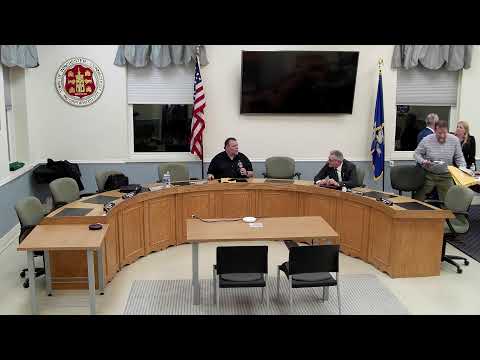
Selectmen authorize attorney-led tax-sale process to pursue long-delinquent taxes
Summary
The Winchester Board of Selectmen voted 5–2 to authorize the tax collector to begin a statutory tax sale and to engage attorney Adam Cohen to carry out the process under Conn. Gen. Stat. §12-157; the board debated whether the threshold should be $5,000 or $7,000 before proceeding.
The Winchester Board of Selectmen on March 16 authorized the town to begin the statutory tax-sale process for properties that meet the board’s chosen delinquency criteria and engaged attorney Adam Cohen to handle notices, title work and the sale. The authorization—set to remain in effect through Dec. 31, 2026—passed on a 5–2 vote.
Town Manager Harrington told the board the process would begin months before any sale date, with attorney correspondence to property owners and multiple public notices. “At that point our marshal and the tax collector will no longer have those properties,” Harrington said, outlining the typical schedule: initial notices, a published sale date (example given was Nov. 1), an auction and a six-month redemption period for owners.
Board members debated the monetary threshold that should trigger the process. Several members argued a $5,000 threshold with at least two years of delinquency would nudge more property owners to pay and help close budget gaps. “If we collect what’s owed, it may soften some of the increase,” said Selectman Kevin Bishop, who supported the lower threshold and framed the vote as a tool to recover budget revenue.
Others urged caution and suggested a $7,000 minimum to avoid punishing residents with smaller balances. Board members also discussed statutory protections—bankruptcy, veterans’ exemptions and other legal limits—and whether the town should proactively notify abutters. Harrington relayed legal advice that notifying abutters prior to the sale could create exposure for the tax collector; he said the town can, at the board’s direction, publish the list on the town website and in newspapers and use available outreach channels without placing the tax collector at legal risk.
The motion authorized the engagement of attorney Adam Cohen to provide legal services necessary to complete the sale process in accordance with Connecticut General Statute section 12-157, including preparation of notices, title work, coordination and conduct of the sale. The board recorded the motion’s outcome as approved 5 in favor, 2 opposed.
Next steps: the manager will work with the tax collector and Cohen to finalize the list of properties that meet the chosen criteria and to publish the legally required notices; any sale date would be months away and follow the full statutory notice process.