Piscataway school board hears tentative $118.3M budget, proposes 7.7% tax-levy increase to cover rising health-care costs
Loading...
Summary
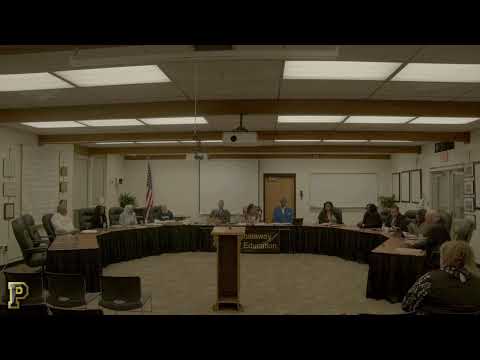
At a March 25 meeting, the Piscataway Township Board of Education received a 2026–27 tentative budget showing a proposed 7.7% tax-levy increase driven largely by a jump in health-care costs; administrators also outlined preschool expansion plans and a net reduction of 23 positions to balance the plan.
The Piscataway Township Board of Education on March 25 heard a detailed presentation of the districttentative 202627 budget that proposes a $118,276,096 tax levy and a recommended 7.7% levy increase, a move administrators said is driven largely by escalating employee health-care costs.
Business administrator David Olivera laid out the revenue mix and pressures behind the proposal, saying, "75% of our budget is funded by the taxpayers of Piscataway," and warning that swings in the state aid formula make multi-year planning difficult. Olivera told the board the district expects about 16% of next year's revenue to come from state aid and the remainder from other sources.
The presentation stressed several cost drivers: a projected increase in special-education preschool placements (from roughly 776 to a projected ~906), rising transportation and substitute costs, and a state-mandated rise in the public employeeshealth plan. Olivera said the budget would use a health-care cost waiver of $6,266,371 as allowed under state rules rather than tapping the district's bank cap, and noted the district is still about $28 million below the state's calculated "local fair share" contribution.
Superintendent Glover described program priorities alongside the fiscal realities and outlined a preschool expansion that the district expects to grow toward 800 state-funded seats next year, with an expressed goal of reaching up to 1,000 seats over time to help rebuild future kindergarten cohorts. Glover also said the budget proposal would include staffing adjustments to reflect enrollment changes and efficiency measures: "The net reduction of staff members would be 23 positions," Glover said, while also listing additions required to support an expanded preschool program.
Administrators proposed drawing $2 million from the districtmaintenance reserve to reduce next years levy pressure but cautioned that reserves and one-time fund-balance uses are not sustainable long-term solutions. Olivera presented the household impact under the proposal, saying the average assessed homeowner would face a $453 increase in school taxes next year under the proposed levy.
Board members asked clarifying questions about the drivers of cost increases, the stability of the state aid formula and whether program reductions would affect course offerings. Administrators repeatedly said core academic and special-education supports would be preserved even as some extracurriculars and one-time programs were targeted for reduction.
Next steps: the tentative budget must be submitted to the county superintendent this week for approval to advertise. If approved for advertisement, the district will hold a public hearing and final vote (administration said a public hearing is scheduled as part of the advertised budget process, with the final vote occurring at that hearing). The board did not take a final vote to adopt the advertised budget at the March 25 meeting; the presentation was the formal tentative-budget review and discussion.
Speakers quoted in this article are David Olivera, the districtbusiness administrator, and Superintendent Glover. For more detail, the board's fiscal committee and the next public budget hearing will provide additional opportunity for community input.