Get Full Government Meeting Transcripts, Videos, & Alerts Forever!
Get email alerts on the City Manager Evaluation topic
No spam. Unsubscribe anytime.
Boulder City council praises City Manager Ned Thomas in six‑month review, urges clearer project updates and fiscal leadership
Summary
Boulder City council members commended City Manager Ned Thomas for community outreach and staff hires during a special six‑month evaluation but pushed for clearer public project timelines, more proactive transparency about major projects and finances, and stronger leadership on labor negotiations and succession planning.
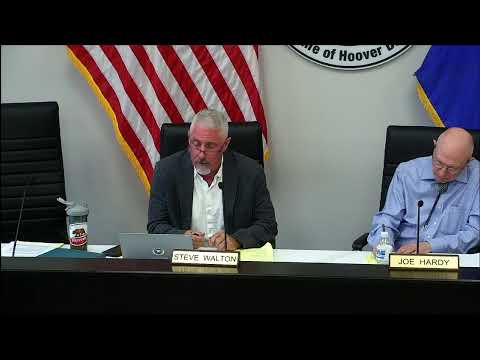
Boulder City’s City Council met in a special session to conduct the six‑month interim performance review of City Manager Ned Thomas, praising his outreach and early organizational changes while urging faster, clearer public updates on projects and greater leadership on budget and labor issues.
Thomas opened the session by describing a three‑part approach to the first six months: to listen and observe, learn about the community and staff, and establish a foundation for future work. “I’ve appreciated the opportunity to serve as the city manager, and I’ve really enjoyed learning more about Boulder City,” he told the council in a presentation of accomplishments and planned work.
The council singled out a string of completed and ongoing projects Thomas highlighted: the Nevada Way reconstruction, recent ADA curb improvements, Veterans Park pickleball courts, near‑completed municipal court renovations, new airport hangar plans and the planned Liberty Ridge (formerly Track 350) development. Thomas also introduced a downtown business engagement idea he called the "Boulder City Passport Program." He said staff would seek to share updates on major milestones and that an operating budget review would follow in the new year.
Several council members praised Thomas’s “soft touch” and availability, noting he had spent time meeting stakeholders across the city and region. One member read prepared remarks thanking him for responsiveness on minor but visible items, such as installing safety lights at busy intersections. Deputy City Manager Michael Mays prefaced the review by clarifying that the session was intended as interim feedback per the terms of Thomas’s contract.
Despite broad approval, council members pressed for more proactive public reporting. “I’d like to see a timeline” for big projects, a council member said, urging the administration to post regular status updates online so residents and councilors can find progress information without having to inquire. Thomas agreed and said staff were considering a project list and regular milestone updates, while cautioning that staff sometimes delay public announcements to avoid creating expectations that later must be revised.
Fiscal and staffing issues were a focus. Thomas told the council that revenue from solar land leases provides a substantial portion of the city’s income—he estimated about one‑third—and cautioned that reliance on that source carries risk if market or technology changes occur. Council members asked Thomas to take a more active leadership role in fiscal planning, to present worst‑, likely‑ and best‑case budget scenarios, and to ensure the council had timely, clear information about long‑term liabilities and spending priorities.
Council members also urged stronger leadership in ongoing labor negotiations and recommended adopting objective evaluation tools for department heads and supervisors to support accountability and succession planning. Thomas said he has engaged a consultant to work on leadership development and planned sessions to strengthen mid‑level supervision.
The council raised other issues for future attention, including community engagement strategies for the historic district, coordination with regional partners on water and feasibility studies (including work with the Southern Nevada Water Authority), and public education about how revenue sources such as land leases affect the city’s low property tax rate.
The meeting concluded without any formal vote; the council provided verbal feedback and a list of goals for next steps, and the mayor adjourned the session after confirming there were no public comments. The council expects follow‑up briefings and more detailed budget and project updates in coming months.