Get Full Government Meeting Transcripts, Videos, & Alerts Forever!
Get email alerts on the Affordable Housing topic
No spam. Unsubscribe anytime.
New Providence introduces ordinances and resolutions to meet fourth-round affordable-housing obligations
Summary
Borough planners and staff outlined a package of resolutions and two zoning ordinances intended to satisfy New Jersey's fourth-round affordable-housing obligations (201 units plus a 20-unit rehab obligation). The measures include rezoning for St. Andrew's and the Nokia site, an affirmative marketing plan, and a proposed spending plan for the Affordable Housing Trust Fund.
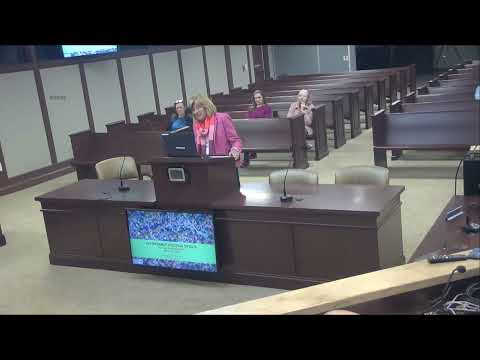
Susan Ruhl, the borough planner, told the council the state's fourth-round requirement assigns New Providence an obligation of 201 affordable units plus a 20-unit rehabilitation need over the 2025—2035 period. "Affordable housing is regulated to death in New Jersey," Ruhl said, then explained the income bands (moderate, low, very low) and how the borough can meet its obligation through inclusionary zoning, extending controls on deed-restricted units, bonus credits and additional affirmative measures.
The council's staff introduced Resolution 20 26-096, which commits the borough to adopt implementing ordinances; Resolution 20 26-097, adopting the borough's affirmative marketing plan; and Resolution 2026-098, the Affordable Housing Trust Fund spending plan. The staff also introduced Ordinance 2026-61, which would create an affordable-housing overlay (AHO) allowing multifamily and townhouse development at St. Andrew's (up to 27 units, 24 affordable in the staff's presentation) and a Nokia/Bell Labs affordable housing district (up to 500 residential units with 100 affordable units). Ruhl said the proposed AHO requires at least a 20% affordable set-aside and 30-year deed restrictions for affordable units.
Council members and the planner discussed finer points of the draft zoning standards: integration of affordable units into developments, height and setback limits, parking and driveway requirements for townhouses, and model provisions from the State DCA. Ruhl said site-specific options discussed in mediation included St. Andrew's Church (a 100% affordable option for the portion behind the church), the Nokia site (mixed-use redevelopment with a required 20% set-aside), and an optional overlay for Lantern Hill that could, if used, provide additional affirmative measures (a potential 69 affordable units) but would count in the fourth round and not be available again in the fifth round if exercised now.
The presentation noted the borough has an extension to April 15 to adopt implementing ordinances, and that, after planning-board consistency review and the council's adoption, the package will be lodged with the court to seek a certificate of compliance and immunity from builder's-remedy lawsuits. "Ultimately what you want is a compliance certification from the court and immunity from future builder remedy lawsuits," Ruhl said.
What happens next: the borough will send the ordinances to the planning board for a consistency review and then bring implementing ordinances and resolutions back to the council for adoption (staff said implementing ordinances and related resolutions were scheduled for a council meeting on March 24). The council did not take final action on any of the housing ordinances or resolutions during this session; the items were introduced and set for later adoption.