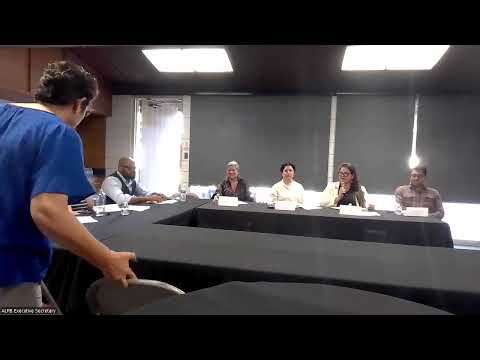
Ventura panel spotlights “swap meet” model that brings legal, health and social services to farmworkers
Loading...
Summary
A panel convened by the Agricultural Labor Relations Board described how Swami Justice and the Miracle Group deliver on‑the‑spot immigration, health and social services to farmworkers at community sites such as Oxnard College, and urged state funding and volunteer support after enforcement activity reduced attendance at some events.
The Agricultural Labor Relations Board convened a panel in Ventura County to showcase community collaborations that deliver legal, health and social services directly to farmworkers and to press for sustained funding and volunteer support.
Vanessa Franks, founder of Swami Justice, described a "swap meet" model that brings immigration clinics, Medi‑Cal enrollment, mental and physical health resources and child services to locations where workers already gather. "We decided ultimately to plan at Oxnard College because people are there anyway," Franks said, explaining the choice of familiar sites to reduce transportation and childcare barriers.
Maria Baltistan, Ventura County public defender, said her office has partnered at these events to provide on‑the‑spot legal help. "We're a trusted partner in the county for legal services," Baltistan said, noting the office offers paralegal and attorney support at weekend clinics so attendees can get immediate answers and next steps.
Grower representatives and employers on the panel said collaboration grew from survey work in 2015 that led members of the Miracle Group to prioritize compliance, resources and access. "We all want this to be a great workplace for everyone in Ventura County," said Giselle Baragos of Rhino Thermiedia Companies, describing efforts to focus on solutions rather than disputing data.
Panelists listed practical needs for sustaining the swap‑meet approach: stable state or grant funding to pay for tents, Wi‑Fi and vendors; staff who can recruit and train volunteers; and legal partners to handle complex immigration cases. "It takes a lot of money," Franks said. "We pay the taco guys. We provide Wi‑Fi and a printer. We need people who can consistently recruit, train and support volunteers."
Speakers also described how recent immigration enforcement activity has affected attendance. "There have been days where the numbers were so low," Franks said, attributing some dips to fear of enforcement and noting demand for removal‑defense work has increased and become more complex as policies change.
Panelists recommended formalizing coordination across counties, including a statewide coalition and an expanded agricultural equity office to streamline community feedback and share successful models. Irene del Maricua, who described statewide replication efforts, said a coordinated network could help other counties adopt the swap‑meet model.
Public commenters backed the partnerships and urged continued government support. One farmworker speaker said farmworkers "come here and we work" and asked that the state continue to provide services that help families, children and the local economy.
The Agricultural Labor Relations Board closed the session by thanking panelists, interpreters and the Oxnard Performing Arts Center and said it would continue working with partners to expand these community‑based services.