
Elections official says rising rules and equipment needs are driving higher election costs
Get AI-powered insights, summaries, and transcripts
Sign Up Free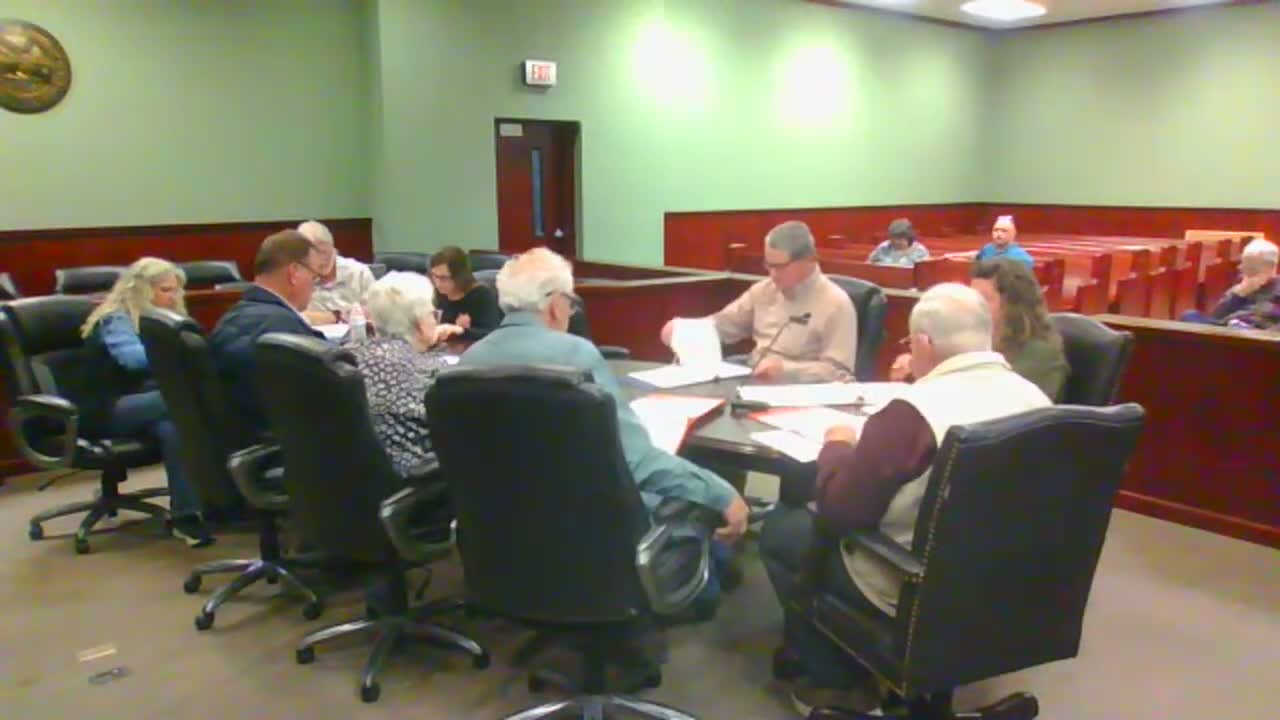
Summary
Annette, the county elections official, told the budget committee that programming fees, aging machines and new requirements are driving higher election costs and asked the committee to plan for equipment replacement, polling pads and higher processing fees.
Annette, the county election official, told the Houston County budget committee that election administration costs are rising and that the office is asking the committee to plan for equipment updates and ongoing programming fees.
"Every time they pass something that secures elections, it costs us more," Annette said, stressing that federal and state changes increase the county’s minimum election expenses. She told the committee the minimum processing and voting-equipment fees for the coming cycle total about $26,410 and that a purchase of polling pads could run roughly $16,000.
Annette outlined staffing changes that moved election-worker hours into a steady line now that one person is working year-round alongside an additional full-time deputy at peak times. She said recurring costs on ballot programming, processing and public notices will continue to rise and that some reimbursements for primary-related costs will appear in the next budget year rather than the current one.
On equipment, Annette said the county’s voting machines need routine battery replacement and that more substantial upgrades — including polling pads and new machines — should be considered by 2028. She estimated poll‑pad hardware costs at about $16,000 and said a full-page newspaper ad for the May primary runs about $1,850.
Committee members asked whether redistricting (which would reduce polling locations and payroll needs) could generate savings. Annette said cutting from seven to four districts would reduce per‑election staffing and some maintenance costs, but that programming and some fixed costs would remain. She estimated modest per‑election savings of about $5,000–$6,000 if districts were consolidated, but cautioned that eliminating districts would also reduce commissioner seats.
Annette said she will continue to seek grants and other reimbursements and reiterated that many changes to election law or federal standards translate directly into higher local costs.
What happens next: The committee asked staff to consider Annette’s equipment and programming projections and to return to the next committee meeting with any refinements to line items and potential funding options.