Get Full Government Meeting Transcripts, Videos, & Alerts Forever!
Get email alerts on the Infrastructure Sales Tax topic
No spam. Unsubscribe anytime.
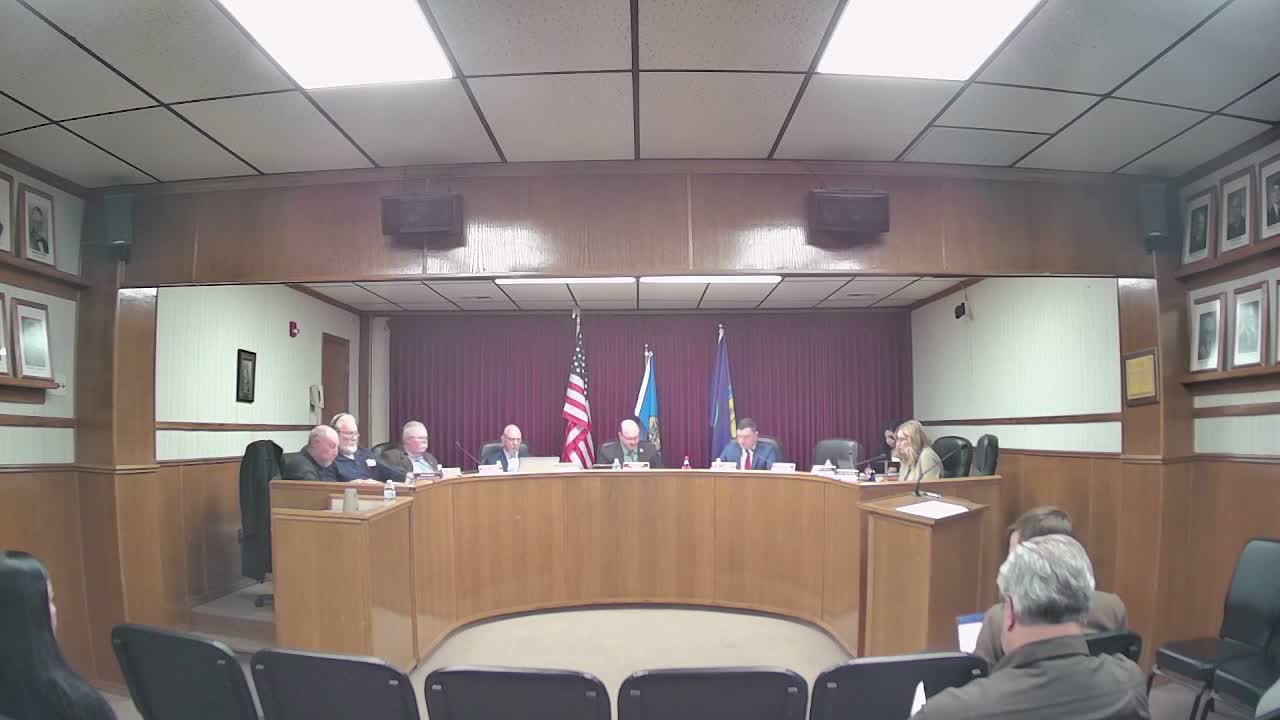
McAlester council approves amended 1% infrastructure sales tax, sets April special election and backs citizen street commission
Summary
The McAlester City Council approved a 10-year, 1% infrastructure sales tax ordinance as amended, directed a special election on April 7, 2026, and moved forward with a citizen-led street improvements commission that must produce a master streets plan before tax proceeds can be spent.
The McAlester City Council voted to adopt a 10-year infrastructure sales tax ordinance that would add a 1% excise tax to be used for capital street and closely related utility and drainage projects, and approved a companion resolution calling a special election for April 7, 2026, to submit the proposal to voters. Councilors approved the ordinance as amended on a roll-call vote that carried.
City staff described the measure as a 10-year levy that will begin on July 1, 2026, and run through 2036, with revenue dedicated to capital infrastructure improvements. At the council's request, staff and the city attorney tightened the ordinance language to make clear that the funds are intended for streets and "related utility and drainage needs," and to ensure that the wording matches the ballot language sent to the county election board.
The council also approved an ordinance establishing a seven-member Citizen Street Improvements Commission to develop the master street plan that will guide how the tax revenues are spent. Staff said that, under the ordinance as presented, no money from the sales tax may be expended until the commission's plan is approved by the council.
"In your packet is the full text of the ordinance," a staff presenter said. "In the high level, it is a 10-year sales tax to begin effective 07/01/2026 and continuing until 06/30/2036." The presenter added that staff were prepared to make the wording changes the council suggested on the dais.
Council discussion focused on precise wording and sequencing: members wanted streets listed first in the ordinance's purpose language and requested that any commission recommendations remain advisory, not automatically displace planning or zoning authority. The city attorney advised that the commission should be structured to recommend actions to the council and that staff would finalize language reflecting those limits.
The resolution directing the county election board to place the question before voters on April 7 was approved at the same meeting. The council took the votes by roll call; recorded responses during the roll calls were affirmative and the motions carried.
Why it mattered: Councilors emphasized that the tax is intended to provide predictable local revenue for long-term street and infrastructure needs and that a citizen-led planning step will be required before funds are spent. The combination of voter approval and a master plan is meant to give the council and the public a clearer prioritization of projects.
What happens next: With the council's approval of the ordinance and the resolution calling the election, the matter goes to the Pittsburgh County Election Board for the April ballot. If voters approve the tax, no projects funded by the new revenue may begin until the council has approved the commission's master street plan.