Get Full Government Meeting Transcripts, Videos, & Alerts Forever!
Get email alerts on the Sales Tax topic
No spam. Unsubscribe anytime.
City staff outline outreach plan for proposed 1% sales tax to fund streets
Summary
City public information staff presented outreach materials, a survey and three town halls for a proposed 1% sales tax with a 10-year sunset to fund street and related infrastructure; staff emphasized factual education only and that a citizen oversight commission must adopt a master street plan before tax dollars are spent.
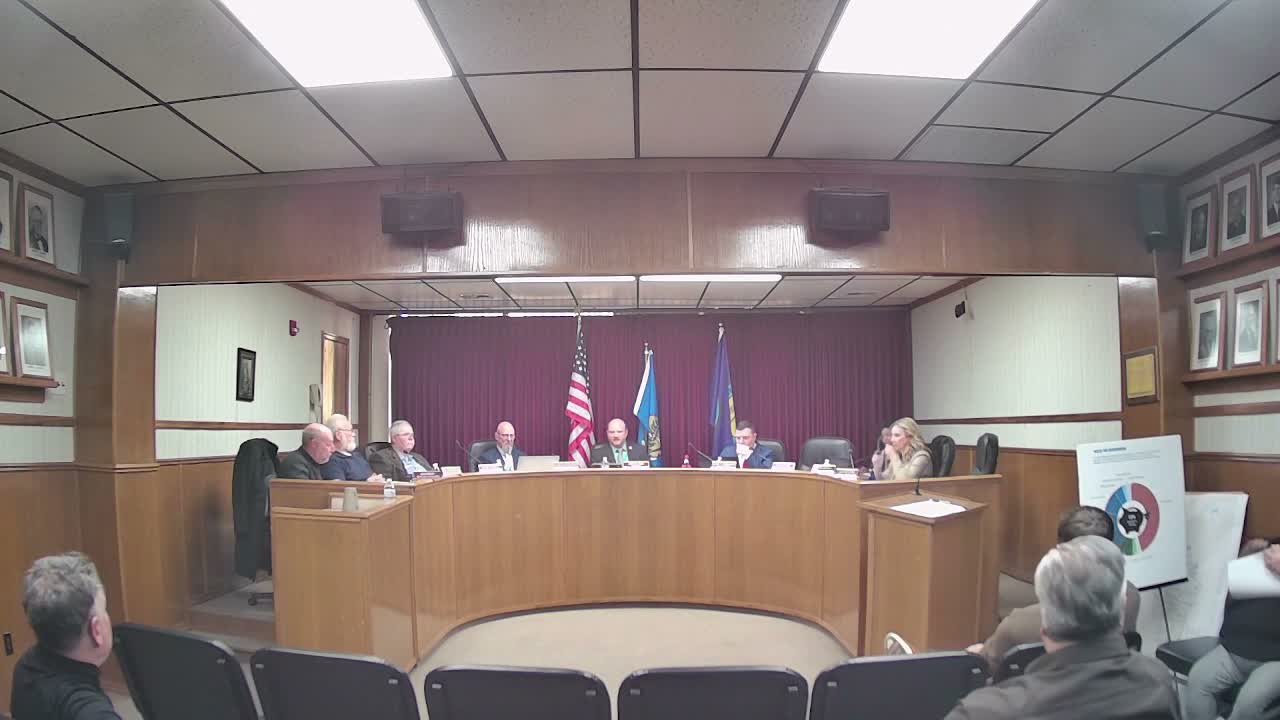
Adrian O'Hannon, the city's public information officer, told the McAlester City Council at a workshop that staff have prepared packets, social-media "fact versus myth" posts and a survey as part of an educational campaign for a proposed 1% sales tax on the April ballot. "We cannot say vote yes, vote no," O'Hannon said, outlining legal limits on what city employees can advocate.
O'Hannon said the outreach will include three town halls (February, March and one planned as close to Election Day as possible, listed as April 2), ward meetings with council members, and staggered postings on official city channels so residents are not "bombarded." He said the survey posted Sunday evening had 171 responses at the time of the workshop and that responses were "skewing a little heavier on the opposition," which staff will use to tailor factual answers to common misconceptions.
The presentation included a financial context for the proposal: O'Hannon said the city currently has about $1,500,000 budgeted for street repairs but that a full reconstruction of a single lane-mile can cost more than that. He also described the tax structure presented for outreach materials: a 1% city sales tax with a 10-year sunset, and a broader chart showing the city's share within an overall combined tax rate. "There are bond payments that start falling off in 2027 and the last one is 2034," he said, and staff are tracking TIF collections the city is on pace to pay off early.
Council members pressed staff about which projects the tax would fund and how to make the proposal tangible to voters. Several council members suggested highlighting a visible project such as 6th Street, which was described as among the worst local streets, while staff said the grant criteria and engineering readiness make the "Electric Avenue" (Lisonbee) project a stronger candidate for some funding programs. O'Hannon and other staff emphasized that the listed uses are "capital improvements to streets and related drainage and utilities" and not money for unrelated in-building repairs.
O'Hannon directed council to an online CIP map and data set to support public questions, giving the site as cityofmcalester.com/streetsdata. He asked council members to share outreach posts and to host ward meetings so residents have access to the same factual information.
The workshop closed with council discussion of oversight: staff said an ordinance creating a Citizen Street Improvement Commission would include a requirement that no sales-tax funds be spent until the commission adopts a master street plan. Next procedural steps will include finalizing outreach materials, posting the survey and holding the scheduled town halls; the council reconvened later for its regular meeting.