Get Full Government Meeting Transcripts, Videos, & Alerts Forever!
Get email alerts on the Local Taxation topic
No spam. Unsubscribe anytime.
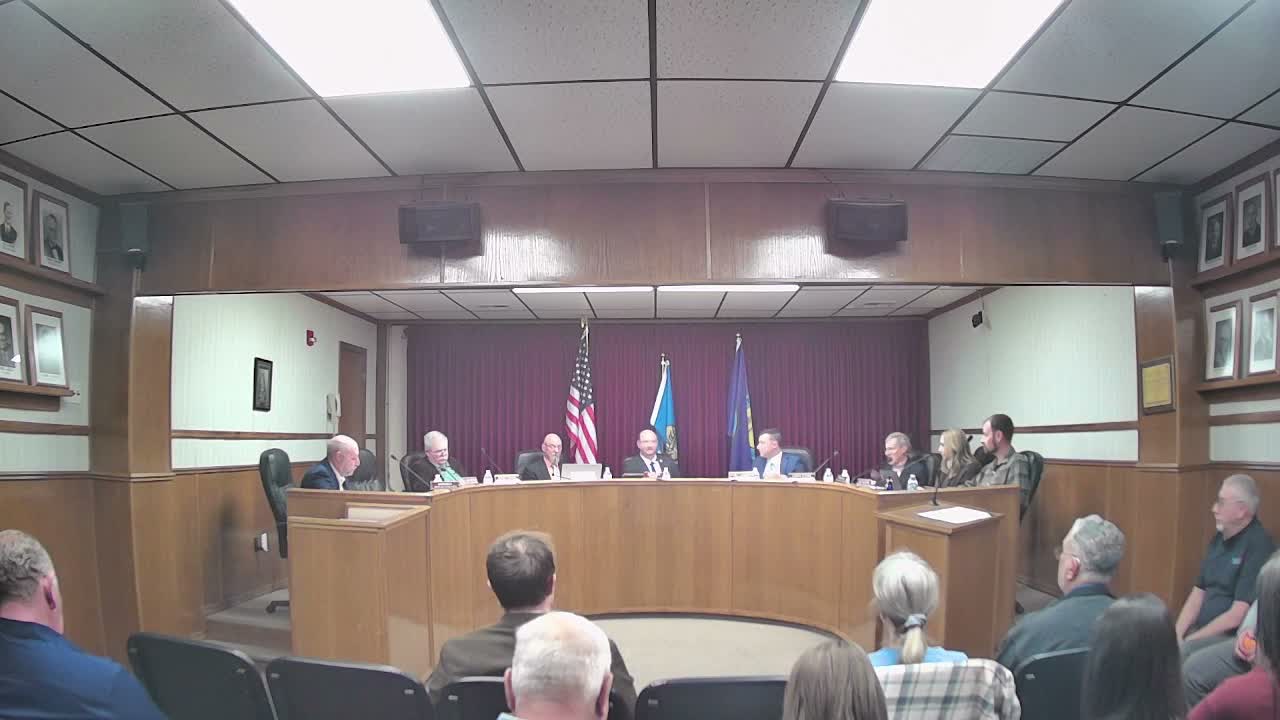
McAlester council votes to ask voters for 1% sales tax to fund streets, utilities and drainage
Summary
The McAlester City Council voted to place a 1% sales-tax measure on the April 7, 2026 special election ballot to raise money for roads, utilities and drainage projects; the council also heard a presentation from a Tulsa-based consulting firm about outreach and campaign options.
The McAlester City Council voted on Jan. 13 to place a 1 percentage-point sales-tax increase before city voters on April 7, 2026, to fund streets, utilities and drainage projects. If approved, the tax would begin July 1, 2026, and include a 10-year sunset date of June 30, 2036.
Mayor Justin Few framed the measure as the city’s primary option to tackle decades of deferred street and infrastructure maintenance. “We know what we need to do,” Few said, describing completed road surveys and lidar-based priorities that the council says cannot move forward without additional funding.
Council hired Tomahawk Strategies representatives to present outreach and campaign options. John Fritz, a Tomahawk partner, recommended a broad voter-education strategy and three tiers of campaign spending that range from a lighter outreach plan to an active voter-contact program; he described a $120,000 plan as the full program and also discussed supplemental privately raised funds to support independent advocacy. “The way to overcome low turnout is to reach as many voters as possible,” Fritz said, urging the council to prioritize broad education.
Council members asked about the timing and cost per lane-mile for full road rebuilds; staff said that full reconstruction can cost multiple millions per lane mile and estimated the proposed tax could raise roughly $4.5 million per year for the city. Council discussion noted bond payments that remain on the books until 2034 and the need to plan projects so new work does not require trenching newly poured pavement.
Councilor Gilmore recorded the lone No vote during the roll call; the resolution to call the special election carried on a majority vote.
What’s next: the council approved the resolution to call the election; if the council approves final ordinance language and the county places the question on the ballot, the city will begin public notification and project prioritization in advance of the election.