Bridgeport advocacy committee sets April 18 meeting, urges immediate ECS funding and wealth-tax options
Loading...
Summary
The ad hoc advocacy committee scheduled an April 18 meeting with the city's state delegation to press for immediate full funding of Connecticut's Education Cost Sharing formula, use of state surplus to cover a roughly $44 million Bridgeport shortfall, and support for taxes on the wealthy to fund schools long-term.
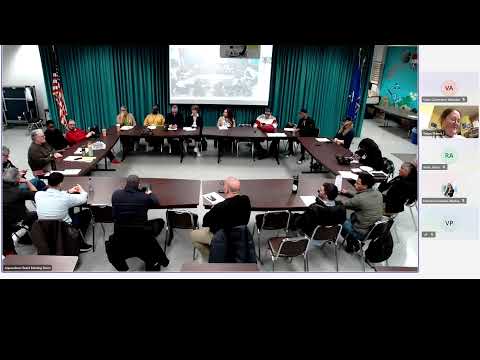
Bridgeport's ad hoc advocacy committee voted to schedule a legislative meeting on April 18 to press the city's delegation to back immediate, larger state funding for public schools and steps to close a local $44 million funding gap.
The committee converged on three demands: immediate implementation of full Education Cost Sharing (ECS) funding to roughly $16,000'$16,500 per student, using part of the state surplus to bridge Bridgeport's immediate shortfall, and pursuing new taxes on high earners to sustain funding. "We need to keep pushing for more money," the committee chair, Becca Saxon, said during the meeting, arguing the recently announced $100'$150 million package for the state would deliver only about $5'$10 million to Bridgeport.
Why it matters: Bridgeport officials told the committee the district is about $44 million short of what it needs to maintain basic services. Committee members said the modest statewide proposals discussed in Hartford would leave Bridgeport far behind and therefore want both an immediate bridge and structural revenue changes to the tax code.
What the committee agreed to do: Members directed organizers to hold a one-hour internal preparatory session before legislators arrive (proposed 10 a.m. prep, legislators in at 11 a.m.), identify 3'5 concise speakers (students, parents, teachers, paraeducators) and prepare a short set of questions so the community controls the agenda. Chair Saxon said a bilingual lobbying template (English/Spanish) would be posted on the board of education website to help residents contact state lawmakers.
On funding specifics, members cited a range of figures presented during the meeting: the School and State Finance Project'linked proposal to phase in about $16,000 per student, Bridgeport's budget proposal of roughly $106,000,000, and the committee's estimate that the city is about $44,000,000 behind current needs. "If you pass these new taxes on the wealthy, that would be the long term funding," Saxon said, describing a two-step plan to use surplus money for an immediate bridge-year or two and rely on new revenues afterward.
Tactics and timing: The group discussed coordinating with statewide actions (a Tax Day lobby, No Kings Day on March 28 and a Bridgeport Day at the capital) and mobilizing parents through PTSOs and school-based outreach. The chair said the mayor's budget would be presented March 23 and that the legislature's committee reports arrive in early April, creating a narrow window for impact.
Claims and disputes: During discussion, Saxon disputed assertions that a local charter school, Capital Prep, is more efficient than district schools, saying differences in student populations (special education and English learners) and selective enrollment skew comparisons. Members recounted parent reports that some charters return higher-need children to the district after Oct. 1, a claim the committee said should factor into any efficiency comparison.
Next steps: The committee set a planning meeting for next week (Room 305, 6 p.m.) to finalize speakers and talking points for the April 18 session. The formal advocacy committee adjourned at the end of the meeting.
The reporting here is based solely on the committee's meeting transcript and direct quotes from participants.