Planner Alyssa Marcy previews zoning‑code findings; draft recommendations due in April
Loading...
Summary
Alyssa Marcy, a city planner, told a Wyandotte County community meeting that the city’s zoning code — written in 1984 and incrementally amended since — is confusing and creates permitting delays. A findings report is public and draft recommendations are expected in April.
Alyssa Marcy, a planner in the planning department, told a Wyandotte County Unified Government community meeting that a diagnostic review of the city’s zoning code identified widespread problems and that draft recommendations to rewrite the code are expected in April.
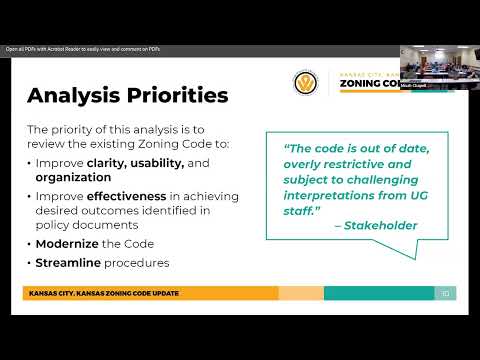
Marcy said the code, originally written in 1984, now includes an estimated 67 zoning districts and numerous cross‑references that create a “telescoping” effect in which one section refers users back to another. “We didn’t come to you with recommendations… I’m coming to you with kind of an overview of all of the issues we’ve discovered,” Marcy said, calling the current structure confusing for residents, developers and staff.
Why it matters: Zoning rules determine what housing types and development can be built where. Marcy told the meeting that diagnostic “findings” are intended to identify barriers — from unclear language to lengthy permit procedures — and that proposed code changes will follow public engagement and elected‑official review.
The presentation flagged several recurring problems: an overly fragmented district structure that can confuse property owners and permit reviewers; design standards that add complexity without always producing community benefits; and permit processes that can delay projects and increase costs. Marcy said short‑term‑rental permits were the most common permit reviewed in the last five years (the presentation listed 178 permits for that category) and asked whether some activities could be moved from a special‑use permit approach to a simpler licensing model.
Marcy also described a housing‑focused portion of the effort, funded in part by a health‑department grant, that looks at how the code restricts housing types — for example tiny homes, accessory dwelling units and mother‑in‑law suites — and how changes to setbacks, density and parking rules could allow more units on many lots.
The consultant team and documentation are posted on the project website, Marcy said. She urged residents to review the findings and provide feedback once the recommendations draft is posted in April. “The conclusion has to come from that public process and our elected officials,” she said.
Next steps: The project team will finish the findings analysis and post a draft of recommendations; subsequent public meetings and standing‑committee briefings will follow before any code changes are adopted.