Committee advances statewide drone rules, tightens no‑fly zones and penalties
Loading...
Summary
The committee gave H4679 a favorable report as amended, consolidating state drone rules into a single framework that defines no‑fly zones around airports, critical infrastructure, correctional and military sites, adds privacy protections, and clarifies penalties and law enforcement authorities.
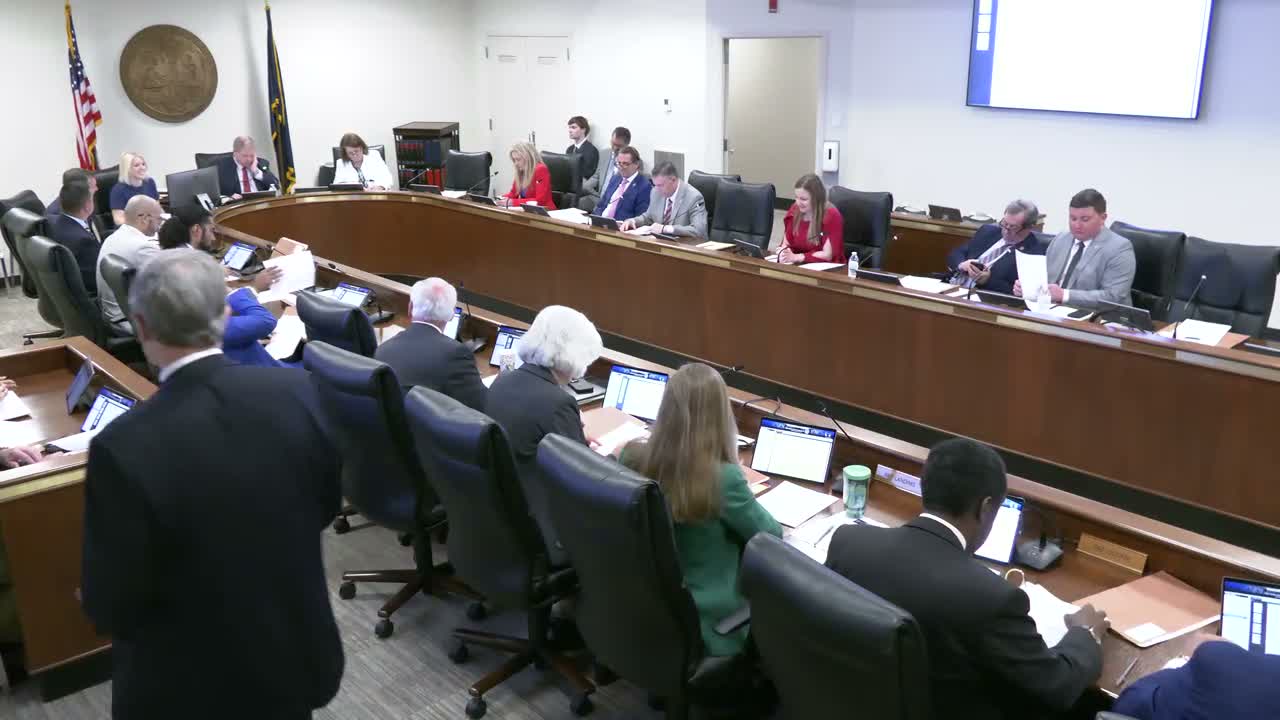
The judiciary committee voted to give H4679 a favorable report as amended, advancing a consolidated statutory framework for drone operations that the sponsor and staff said harmonizes state law with federal guidance and clarifies enforcement.
Sponsor Moore described the bill as defining key terms (drone, commercial/recreational operator, critical infrastructure, restricted airspace), setting out prohibited acts in specified no‑fly zones, and creating a penalty structure that distinguishes misdemeanors from felonies for more serious conduct such as delivering contraband to correctional facilities or weaponizing a drone. Moore said the measure was drafted with input from SLED, the State Aeronautics Commission and the South Carolina Interagency Drone Users Consortium.
The bill specifies several location‑based prohibitions: operating within five miles of an airport without prior FAA authorization, operating over certain critical infrastructure beyond a defined altitude without consent, and operating within 1,500 feet of correctional facilities or military installations without authorization. It also makes it unlawful to use a drone to surveil or record a person where they have a reasonable expectation of privacy without consent, and addresses uses that interfere with public safety operations.
During questioning, McCravey asked whether the bill protects a private property owner who shoots down a drone over their yard; Moore said the bill contains no express self‑defense carve‑out and noted the legal tension between discharging firearms and drone encounters. Lawmakers also debated a draft provision that had tied state law to a specific FAA weight threshold for registration; Bamberg successfully sought unanimous consent to remove the weight‑specific language so compliance would generally track applicable federal registration rules.
The committee approved the committee report and then voted by roll call to give H4679 a favorable report as amended (21 in favor, 0 opposed, 4 not voting).