Subcommittee backs bill to clarify property rights when local churches disaffiliate from parent bodies
Loading...
Summary
The subcommittee gave House Bill 4,754 a favorable report after testimony from ministers and church trustees who said local congregations often fund property improvements and then face large claims when they disaffiliate; the bill requires parent organizations to provide itemized accounting before reimbursement is ordered.
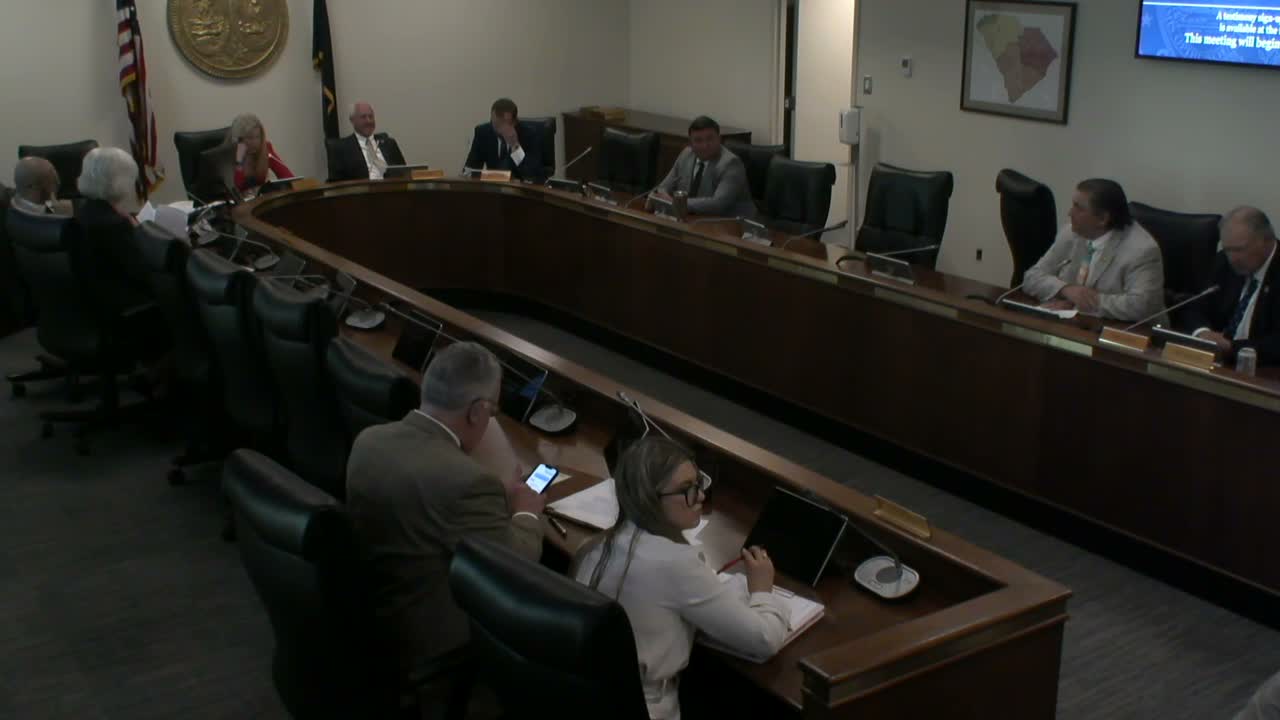
The Domestic Relations Business and Probate Law Subcommittee on Wednesday reported favorably a bill designed to clarify ownership and reimbursement rules when a local church disaffiliates from a larger religious organization.
Representative Yao, sponsor, said the bill would add a section to the South Carolina Nonprofit Corporation Act allowing a local church to retain ownership of its real and personal property if it determines a disaffiliation is in the church’s best interest and if any repayment to the parent organization is limited to qualifying investments supported by a full, itemized accounting. "If you put in the money, if you put in money, we'll be glad to pay you back what you put in," Yao said, describing the bill's reimbursement principle.
Several congregations and church trustees testified in favor. Members from St. Luke and Jackson Grove Methodist churches described long histories of local funding, ongoing disaffiliation processes and litigation threats; Jackson Grove’s representative said his congregation voted unanimously to leave and that trustees were being sued over the church property.
Witnesses described situations where congregations had paid for major repairs and appraisals, and then were prevented from completing denominational exit procedures when central church bodies intervened. Tina Wooten of Boiling Springs Methodist told lawmakers her congregation faced large apportionment fees and had completed the disaffiliation process only to be blocked by denominational action.
Rep. Yao said the bill aims to resolve property disputes under neutral principles of law and to avoid inquiries into doctrine or internal governance. Members asked whether the bill would apply to other denominations with episcopal structures and dues; Yao said the principle — repayment only for verified investments — would apply generally if property is held in trust.
The subcommittee voted 4 in favor, none against, with one member not voting, and reported the bill favorably to the next stage of review.