Get Full Government Meeting Transcripts, Videos, & Alerts Forever!
Committee advances MTA Reform Act, creating two new MTA boards and expanding eminent domain authority
Summary
The House Environment and Transportation Committee advanced House Bill 1081, the Maryland Transit Administration Reform Act, which would create two new MTA boards, align MTA tort liability with the Maryland Tort Claims Act, and extend quick-take eminent domain powers; amendments passed and the bill cleared committee with several members recorded in opposition.
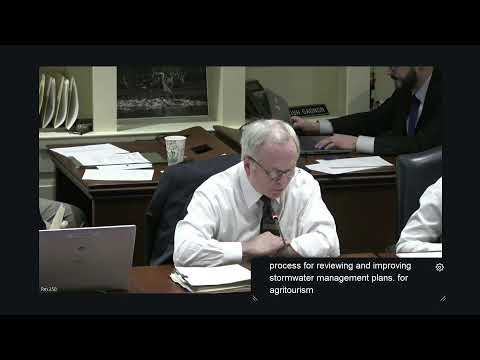
The House Environment and Transportation Committee advanced House Bill 1081, the Maryland Transit Administration Reform Act, during its Friday, March 13 session, the committee clerk said.
"As amended, House Bill 1081 makes changes to the structure, authority, and responsibilities of the MTA with respect to procurement law, oversight of MTA operations by boards and commissions, tort liability, and eminent domain," the committee clerk summarized. The clerk said the bill creates a board of directors for Baltimore core transit service and a…
Already have an account? Log in
Subscribe to keep reading
Unlock the rest of this article — and every article on Citizen Portal.
- Unlimited articles
- AI-powered breakdowns of topics, speakers, decisions, and budgets
- Instant alerts when your location has a new meeting
- Follow topics and more locations
- 1,000 AI Insights / month, plus AI Chat