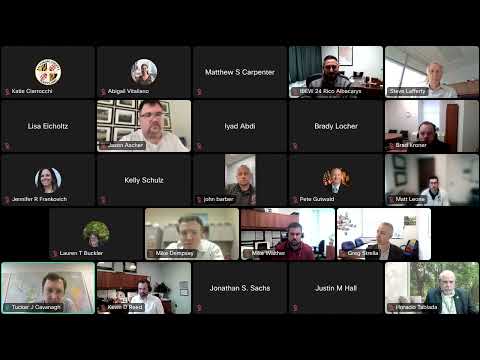
Union leaders say data centers are creating sustained construction jobs and larger apprenticeship classes
Loading...
Summary
IBEW and building trades representatives told Baltimore County officials that large data-center construction in nearby Frederick County has driven union hiring and expanded apprenticeship classes, and urged earlier developer–trades coordination to ensure local hires and prevailing wages.
Rico Alba Carries, business representative for IBEW Local 24, told Baltimore County officials that the data‑center boom has substantially increased union employment and apprenticeship enrollments in Maryland. "We were at 2,000 members... we've grown about 50%, 1,000 new members over the last couple of years," he said, noting roughly 700–800 electricians working on the Frederick project and about 150 in a prefabrication shop.
Carries said the union has doubled recent apprenticeship class sizes — from roughly 100–120 apprentices annually to a 230‑person class in September, with plans to increase to about 275–300 — and argued that those training gains create long‑term career pathways beyond the temporary nature of individual construction projects. "You give them the understanding to get a master's license. Maybe they wanna open their own contracting business," he said.
Other trade leaders echoed the point. "We support data centers 100%," John Barber of Partners Union said, citing local hiring in apprenticeship programs. "It employs a lot of people," he added. Mike Dempsey of the Carpenters emphasized early outreach and pipelines, and asked county staff to connect developers with building trades to ensure local workers are considered when projects start.
Jason, a representative of the plumbers and steamfitters, said his trade also has crews working on large buildings in Frederick County and in the region, and that the jobs continue after construction for maintenance and service work. Trade representatives repeatedly urged that community benefits agreements or project labor agreements and pre‑apprenticeship programs can close the gap between local demand and developer hiring practices.
Why it matters: Baltimore County is weighing how to manage potential data‑center proposals. Unions argued their involvement increases the share of local hires and supports higher wages and safety standards, while also expanding training pipelines that can supply workers for future projects.
What they said: "There's a lot of jobs that are not tied directly to — let's say it's an Amazon data center — it doesn't mean they're gonna be Amazon employees, but there will be a lot of jobs to service that data center outside of construction once it's built," Carries said.
Next steps: Trade representatives offered to meet with county staff and developers to discuss apprenticeship targets, ZIP‑code‑based hiring goals and outreach strategies; county staff indicated they would follow up.