Northampton County commission approves pilot "pop-up" voter service events ahead of primary
Loading...
Summary
The Northampton County Election Commission voted to approve a spring pilot of short-duration "pop-up" voter service events (up to six sites) to expand access before the 2026 primary; initial sites include Northampton Community College (Bethlehem) and Lafayette College. Ballots will be handled as absentee/mail-in ballots and processed under standard chain-of-custody procedures.
The Northampton County Election Commission on a verbal aye vote approved a pilot program of short‑duration "pop‑up" voter service events to expand access ahead of the 2026 primary. The commission authorized the administration to proceed with the plan and encouraged identifying up to six sites for spring events.
The elections office presenter said the pop‑up events are intended to extend—not replace—existing election operations. "This is not early voting," the presenter said, adding that "all ballots issued and returned through these events will be handled in the same manner as standard absentee and mail‑in ballots and will not be opened or counted until election day consistent with Pennsylvania law." Services at the events will include on‑site voter registration (deadline May 4), applying for mail‑in or absentee ballots, completing a ballot on demand after registration verification, and secure on‑site return or return via existing drop boxes or USPS using postage‑paid envelopes the office will provide.
The administration listed two initial sites under consideration: Northampton Community College's main campus in Bethlehem and an atrium space at Lafayette College; both would host a 2–3 hour public event open to students and the wider community. The presenter said the county purchased a mobile drop box ("about $40") for pilot use and that the pop‑ups will be staffed by trained elections staff rather than relying on unattended cameras used at permanent drop boxes. Deputies will pick up filled boxes and transport them back under documented chain‑of‑custody procedures, the official said.
Commissioners pressed for details about costs, staffing and accessibility. The elections official replied the pilot will use existing staff and is not expected to require new hires; adding permanent additional drop boxes would be a separate, costed decision for the commission. Commissioners asked that future site choices prioritize accessible parking so elderly or mobility‑limited residents can use the service.
At least one commissioner raised a concern about fairness and the potential that siting pop‑up events could advantage particular congressional candidates depending on location. The commissioner said the county "can't control what Lehigh does and we can't control what Monroe does," and that placing mobile sites in some areas could create perceived advantages. The administration responded that the program is intended to expand options for voters who otherwise face transportation or scheduling barriers and that permanent drop boxes will remain in place.
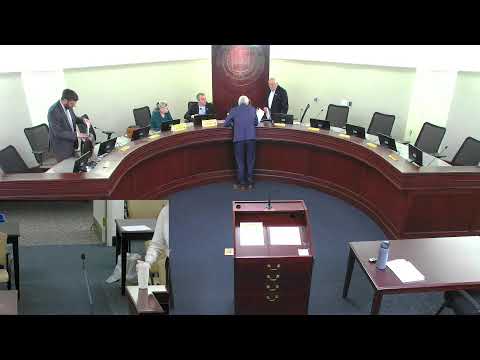
A motion to approve the program "as submitted and explained" and to seek up to six sites this spring was moved and seconded; the chair called for aye and the motion carried by the commission's verbal vote. The administration asked commissioners to recommend locations they know would host a pop‑up; the office said it will schedule events through May 12 (the office's stated deadline for accepting absentee ballots) and will report back with data for commissioners to review before deciding about a fall expansion.
Next steps: the administration will proceed with scheduling spring pilot dates and solicit site recommendations from commissioners; the commission will review outcomes and data after the pilot period to decide whether to expand the program in the fall.