Kings Park board previews $113.6 million draft budget, aims to stay within 2.99% tax‑levy cap
Loading...
Summary
At a Feb. 9 workshop the Kings Park Central School District reviewed a second‑draft $113.6 million budget with a 2.99% tax‑levy increase (tax‑cap compliant), highlighted a roughly $1.8 million gap and set a schedule that would adopt the budget April 21 after a May 12 hearing and May 19 vote.
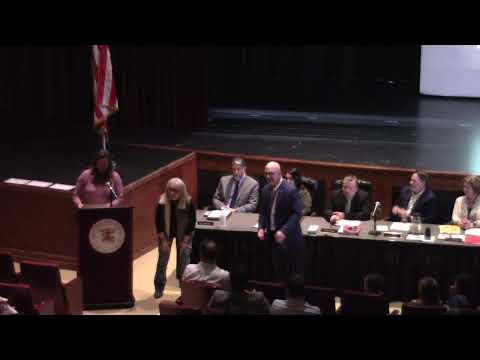
The Kings Park Central School District Board of Education heard an updated second draft of next year’s budget at its Feb. 9 meeting, with administrators proposing about a $113.6 million spending plan and a tax‑levy increase of 2.99 — within the district’s tax‑cap threshold.
Superintendent Dr. Egan told the board the budget‑to‑budget increase would be about 3.41 percent and that the district still faces a roughly $1.8 million gap it needs to close before adoption. He said the district benefited last year from one‑time revenue sources that will not recur, and noted the teachers’ retirement system rate for next year at 2.627, a factor that reduced projected costs and saved “a little over $200,000.”
"We decreased our transfer to capital lines slightly, and you'll you'll notice in a minute that the tax levy increase has gone down a little bit to just under 3 percent, 2.99%," Dr. Egan said as he summarized revenue and aid assumptions.
Why it matters: the budget outlines priorities administrators said they want to preserve — elementary literacy supports, cybersecurity (roughly $75,000–$80,000 annually), mental‑health staffing, and extracurricular activities including music and athletics — while balancing rising costs for insurance, construction and other goods.
Egan emphasized timing and next steps: the board will continue working through line‑by‑line adjustments in March (workshops on March 10 and March 24), aim to adopt the budget on April 21, hold the legally required public hearing on May 12, and conduct the budget vote on May 19.
The presentation noted that certain aid increases reported in the press do not always reduce the district’s budget gap (for example, UPK increases are pass‑through funds). Egan also highlighted a recent court change affecting special‑education age limits that raised district responsibilities without a corresponding aid increase: "a recent court decision changed that to 22, but it didn't change aid back to school districts," he said.
Next steps: the board will continue to refine staffing projections, examine reserves, and track state budget developments — the superintendent said the district will monitor the governor’s proposal and the one‑house budgets that usually appear in March and will follow up with elected officials in Albany.
The board did not take a final vote on the budget at the Feb. 9 meeting; administrators asked the public to attend upcoming budget workshops for detailed line‑item review.