RSU 5 board adopts FY27 budget after heated public comments over teacher and language cuts
Loading...
Summary
The RSU 5 Board of Directors on March 25 adopted the superintendent's FY27 budget (Tier 2A, a 7.1% proposed increase) after extended public comment opposing cuts that would reduce ESOL, world language and other teaching positions; board members said non-staff lines were already trimmed and voted to approve the proposed plan.
The RSU 5 Board of Directors adopted the superintendent's proposed FY27 budget on March 25, after a lengthy public-comment period in which residents urged the board to preserve classroom positions and world-language programs.
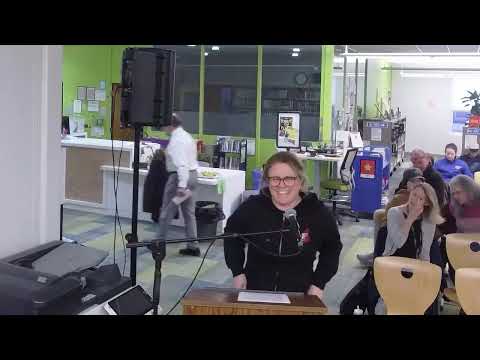
Public commenters told the board the proposed reductions would hurt multilingual learners and could reduce school enrollment. Jill Hyland, a Freeport High School teacher, said cutting ESOL staffing from three to two full-time equivalents would be a step backward for students who have gained from increased ESOL support: "When we remove that support from students whose voices are the easiest to overlook, that's not equity," she said. Seventh-grader Wyeth Pillsbury and other students delivered a petition opposing cuts to French and world cultures; Pillsbury said 86 students and five teachers had signed.
Supporters of trimming noninstructional costs urged the board to target technology and professional-services spending instead. Casey Ellis, a resident and former high school math teacher, asked the board to consider switching from MacBooks to lower-cost Chromebooks and to reduce purchased professional services, saying such changes could preserve several teaching positions. John Jacques, another resident, questioned a $3 million energy-contract expense and recommended additional reviews of transportation and equipment contracts.
The board's deliberations acknowledged the difficulty of the choices. Finance and administration leaders said most non-staff lines had already been reduced and that staffing accounts remain the largest portion (more than 80%) of the budget. Superintendent Gray (speaking as the administration's representative) emphasized the district had taken a range of trade-offs and recommended a deliberate approach to any further reductions.
After discussion, the board moved to a formal vote on the superintendent's proposed budget (Tier 2A, described in the meeting packet as a 7.1% expenditure increase). The Chair called for the question; the motion carried and the board approved the FY27 budget as presented.
What happens next: the board voted to adopt the budget at the meeting; the district will proceed with the adopted FY27 spending plan unless the electorate returns the question pursuant to any applicable local referendum processes. Public concern about potential program and staff reductions remained a prominent issue following the vote.