Lifetime Citizen Portal Access — AI Briefings, Alerts & Unlimited Follows
Nyssa SD 26 finance chief flags lost revenue after Oregon law forces county to reclaim tax surplus
Loading...
Summary
District finance staff told the Nyssa School District 26 board that an Oregon law change required Malheur County to reclaim certain surplus tax proceeds previously distributed to the district, creating a negative revenue line in February tied to years 2017–2023 and prompting staff to flag a possible supplemental budget in May.
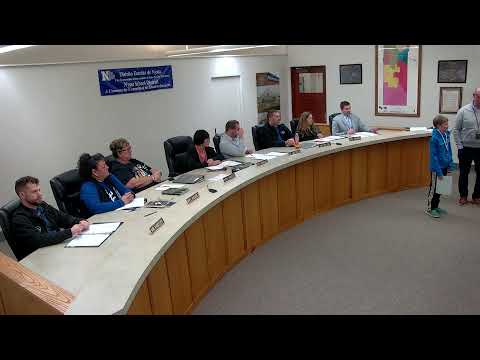
Crystal, the district finance presenter, told the Nyssa School District 26 board on March 9 that a recent change in Oregon law requires county treasurers to set aside surplus funds for return to property owners or their heirs, rather than distributing those surpluses to taxing districts. "There has been a law change in Oregon, and they were are notifying us that some of the taxing districts who have received surplus funds in the past ... now need to be set aside," Crystal said, explaining that the county had taken back surplus funds covering 2017–2023.
Crystal walked the board through the district’s packet through Feb. 28, saying February revenue was "almost brought in 2,500,000.0" while expenditures were "about 2.3 going out last month," leaving a cumulative balance "a little over 7,200,000.0." She said the negative revenue line in the month’s report correlates to the county’s returned surplus funds and pointed board members to the county letter included in the packet for details.
The finance presentation also highlighted the district’s bond and food-service accounts. Crystal said the middle-school bond account holds about $417,000 and the next debt-service payment is just under $400,000. She reported food-service revenue of a little over $613,000 in February with expenditures a little over $721,000, producing a year-to-date deficit "a little over $108,000." Crystal added operational detail: in 15 days that month the district served 9,224 breakfasts, 11,703 lunches and 1,588 snacks.
Board members asked follow-up questions about the law’s scope, timing and next steps. Crystal told the board she will monitor monthly reports and, "If we get close, I'll just present a supplemental budget to the board for adoption later, probably May." She said staff prefer to prepare a single supplemental amendment rather than multiple small changes.
Why it matters: the reclaimed surplus reduces available discretionary revenue and may require a supplemental budget later in the fiscal year if expenditures approach planned levels. Crystal said the district still has reserves and is tracking fuel and other variable costs closely; she will notify the board if a formal supplemental budget becomes necessary.
Next step: staff will continue monthly financial monitoring, include the county letter in board materials for review, and prepare a supplemental budget proposal if projections show a shortfall significant enough to require board action.