For‑profit telehealth vendor pitches $9‑a‑month text‑to‑doctor service to New Haven committee; members vote to read and file
Loading...
Summary
A for‑profit telehealth company presented a text‑based 'concierge' service to a New Haven health committee, claiming a $9 per‑household model, a 44.7% drop in 911 transports in one pilot and coverage of about 500,000 lives; the committee voted to "read and file" the presentation for follow‑up.
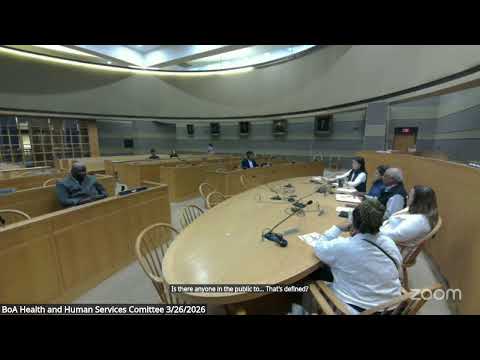
A for‑profit telehealth company pitched a text‑to‑doctor service to a New Haven committee and health department officials at a public meeting, saying the program can provide low‑cost, on‑demand clinical triage to households for roughly $9 per month and that pilots reduced emergency transports.
Brian Davis, who identified himself during the public comment period, described how an ER physician began answering patient texts and how that evolved into a municipal offering. “We reduced 911 transport, hospital transport by 44.7%,” Davis said, asserting the model had lowered urgent transports in a prior rollout. He told committee members the service can cover up to 10 people per household and that the company covers roughly 500,000 lives across multiple cities.
The presentation emphasized a household billing model and an escrow/match mechanism Davis described as returning funds to a community health improvement program. “We will take $1.09, and we match it back,” he said, explaining how collected fees would be used for local health needs such as food insecurity and extreme‑weather cooling spaces.
Committee members pressed for details on the business model and scale. One asked whether the service could be added to a water bill so every household could be offered the option; Davis said adding a small monthly charge to a utility bill increased enrollment in other cities and that pilot models refunded households that opted out within an introductory period. He also supplied operational figures: in an early pilot with about 8,000 households the company logged roughly 500 interactions in the first six weeks and said typical prescription costs arranged through the service averaged about $12.
Members raised clinical and liability questions. A committee member asked how clinicians accurately assess problems via text and whether follow‑up exists; Davis said clinicians can view photos or conduct phone/video calls when needed, that clinicians hold state licenses and malpractice coverage, and that the service follows up within 24–48 hours. He said the service would call 911 or notify hospitals for cases requiring emergency transport and coordinate with receiving facilities when an ambulance was needed.
A health department official who spoke after the presentation welcomed innovation but urged a deliberate review process for any program that would assess a fee or require contracts with residents. The official said the department already operates telehealth and wellness services and stressed that new initiatives be designed to be inclusive and aligned with existing public services. “We will not turn anyone away,” the official said, urging partnership and careful assessment.
After questions and public comment, the committee chair called for a motion to "read and file" the presentation. The motion was seconded, members voiced agreement and the chair announced the motion carried; no formal ordinance, contract or fee vote was taken at the meeting. The item was recorded as read and filed for the committee’s records and potential follow‑up.
Next steps: the committee did not take legislative or procurement action at the meeting; staff and the health department indicated they would review the proposal and any fiscal or equity impacts before the committee considers further formal action.