Get Full Government Meeting Transcripts, Videos, & Alerts Forever!
Get email alerts on the Defense Policy topic
No spam. Unsubscribe anytime.
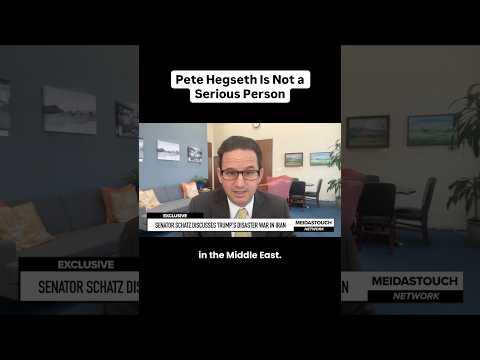
Lawmaker says looser U.S. rules of engagement have increased risk of civilian harm
Summary
A lawmaker criticized senior defense leadership and argued that recent changes to U.S. rules of engagement have made civilian casualties more likely, citing an apparent strike on an elementary school and other targets as evidence of policy change.
A lawmaker criticized the conduct of the defense secretary and said recent changes to U.S. rules of engagement have increased civilian harm, according to a recorded remark in the transcript. The speaker, who said they "got to the senate about 13 years ago," contrasted the official's behavior with the usual conduct of senior military officers.
The lawmaker said the change in policy has produced "way looser rules of engagement" and greater tolerance for civilian casualties, asserting that "the likely bombing out of of an elementary school with 1 of our Tomahawk missiles is not a 1 off mistake." The speaker framed that alleged incident as the result of policy change rather than an isolated targeting error.
Drawing on prior interactions with the Department of Defense in the Pacific command area, the lawmaker said it used to be rare to find a general or flag officer who did not "conduct themselves in a way that is admirable." The speaker added a personal assessment that, on conduct alone, the current official "would not get 1 star, let alone being the secretary of defense."
The lawmaker also warned of strategic consequences, saying reported strikes had hit "many of the likely successors to Khamenei" and that such outcomes could strengthen harder-line figures. The speaker framed the issue as both moral and strategic: "shooting the wrong people is antithetical to our national interest."
The transcript does not record any response from the Defense Department or other officials, nor does it show a formal vote or motion related to the comments. The remarks in the transcript stand as the lawmaker's public allegation and assessment of U.S. policy and its consequences.