U.S. representative: Strait of Hormuz could reopen if Iran stops threatening global shipping
Loading...
Summary
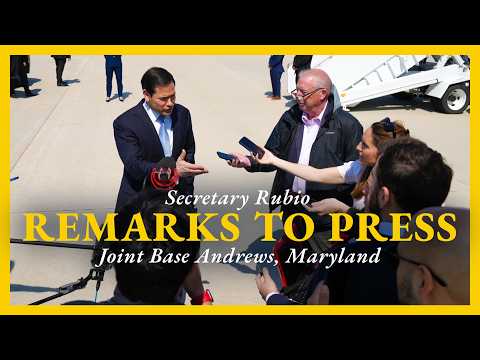
In a brief Q&A, a U.S. representative said the Strait of Hormuz "can be open tomorrow" if Iran stops threatening global shipping, said intermediaries are passing messages between the sides, and declined to name Iranian interlocutors.
A U.S. representative said the Strait of Hormuz could reopen immediately if Iran stops threatening commercial shipping and that intermediary countries are conveying messages between the parties, but he declined to identify which countries are facilitating the talks.
"They can be open tomorrow if Iran stops threatening global shipping, which is an outrage, and a violation of international law," the U.S. representative said in response to questions about the disruption. He declined to provide operational or tactical specifics, saying those were matters for military planners.
Asked whether the United States would seek help from other countries to secure the strait, the representative said other nations have a larger energy stake in the waterway and "they should step up and deal with it," while deferring exact military details to the relevant departments. On whether President Trump9s criticism of NATO reflected a wider sentiment, he characterized the president's remarks as an observation that the United States frequently is asked to provide help, citing U.S. contributions to Ukraine: "we've contributed more to that fight than any other country in the world."
When pressed about Russia's support for Iran, the representative said Russia is primarily focused on its own military campaign and offered no additional assessment. He also said he was "here on behalf of The United States Of America" and expects to meet with other foreign ministers, but declined to predict the tone of those meetings.
Victor, who identified himself during the exchange, asked whether progress between the parties might lead to in-person meetings; the representative said, "We'll see," and declined to pre-judge any outcome.
The exchange concluded without new operational announcements or named interlocutors; the representative said only that "some concrete progress has been made" and that energy flow through the strait has "ticked up," without offering figures or a timetable.