
Met Council TOD office: $2.2B in 2024 permitted near high‑frequency transit; 69,000 multifamily units since 2009
Get AI-powered insights, summaries, and transcripts
Sign Up Free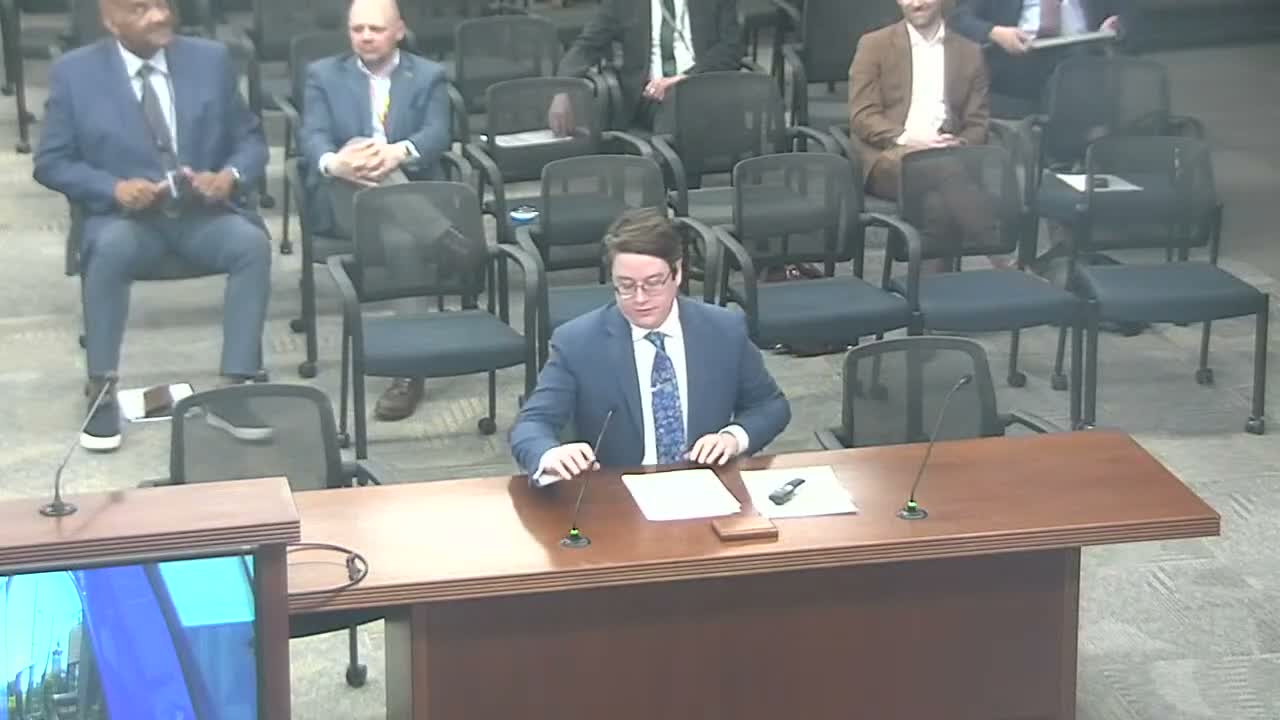
Summary
The Met Council’s TOD office presented its 2024 development‑trends report, showing that since 2009 roughly 39% of regional permit value has been concentrated on just 4% of regional land near high‑frequency transit; 2024 saw over $2.2 billion in permitted development near those corridors and 69,000 multifamily units permitted since 2009.
Ames Yoder of the Metropolitan Council’s transit‑oriented development (TOD) office presented the 2024 update to the council on March 25, summarizing permit‑based tracking of development near high‑frequency transit corridors.
Yoder said the report uses a half‑mile buffer around BRT and LRT stations and a quarter‑mile running buffer for high‑frequency local bus routes. The TOD office reported that since 2009, 39% of regional development by permit value has been located in areas that make up about 4% of the metro region’s land area. For 2024 specifically, the office recorded more than $2.2 billion in development permitted near high‑frequency transit corridors.
The presentation noted 2,750 new multifamily units permitted near high‑frequency transit in 2024 and a cumulative 69,000 multifamily units since 2009; multifamily permits were down from 2022’s peak but the overall share of regional permit value near transit remained around historic averages. Yoder also highlighted affordable housing production: roughly 50% of new affordable multifamily units since 2014 have been near high‑frequency transit, and 76% of deeply affordable units added since 2014 were located near high‑frequency transit.
Yoder and council members discussed slowed housing production due to rising construction costs, higher interest rates, supply‑chain constraints, and insurance costs; Yoder said those market pressures make projects harder to finance and may require higher rents, more public subsidy, or both. The TOD office said it will continue refining its data tools and web apps to provide interactive access to permit and parcels data and that the office is coordinating anti‑displacement analysis and other policy tools.
Councilors asked about parking‑minimum reforms, the public‑parcels web app, layering of public subsidy information and anti‑displacement work; Yoder said some analyses exist and staff will continue to expand data and tools.
Yoder closed by urging councilors to use the web apps and reported that the TOD office will follow up with additional analysis and resources.