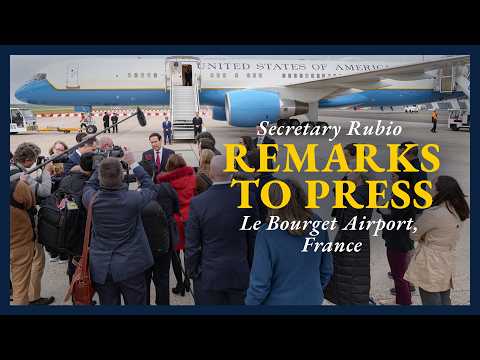
Agency official says U.S. operation is crippling Iran’s weapons capacity and urges coalition to block any toll on Strait of Hormuz
Loading...
Summary
An agency official told reporters after G7 meetings that U.S. strikes have targeted Iran’s navy, air force and weapons factories, that the campaign is proceeding "in a matter of weeks, not months," and warned that Iran could try to impose a toll on the Strait of Hormuz unless other nations step up.
An agency official told reporters after meetings with G7 allies that a U.S. operation aimed at degrading Iran’s military capabilities is on schedule and expected to finish "in a matter of weeks, not months." The official said the campaign has focused on Iran’s navy, air force and factories that make missiles and drones and predicted that the steps would "dramatically reduce the number of missile launches."
"We're gonna destroy Iran's navy. We've destroyed their air force. We're going to basically destroy their ability to make missiles and drones in their factories," the agency official said, adding that the campaign's objectives were clear from the night they were announced and that U.S. forces were "on or ahead of schedule." The official declined to discuss operational tactics and referred such questions to the Defense Department.
Reporters pressed whether the operation could become prolonged or require diverting support for Ukraine; the official said no diversions had occurred so far and that "if the United States has a military need . . . we're always gonna come first when it comes to our struggle." He also said security guarantees for Ukraine would not be activated while active war continued, arguing that guarantees before a war's end could draw other countries into fighting.
The official warned of a possible post-conflict risk: Iran or actors in its orbit could try to assert control over the Strait of Hormuz and demand payments for passage. "If the Iranians decide, well, now we control the Strait of Hormuz . . . you can only go through here if you pay us," he said, calling any such tolling illegal under international and maritime law and urging other countries most affected to prepare response plans and form coalitions. "The world better step up," the official said.
On diplomatic contacts, the official said the U.S. had received messages indicating Iranian channels might be willing to talk "about certain things," but that Washington was still waiting for clarification on interlocutors, topics and timing. "It could happen at any moment," he said, while adding that "in the meantime, we continue with our operation."
The briefing included broad assertions about Iran's regional role and longevity as a perceived threat, which the official tied to preventing nuclear breakout and protecting civilians. He reiterated that the president had authorized the campaign and that U.S. forces would remain prepared for multiple contingencies.
The official did not announce new operational milestones or identify countries that would lead a potential maritime coalition; he said the United States was willing to participate but did not have to lead. The U.S. continued to signal partners and allies about post-conflict planning as operations proceeded.