Get Full Government Meeting Transcripts, Videos, & Alerts Forever!
Get email alerts on the Community Planning topic
No spam. Unsubscribe anytime.
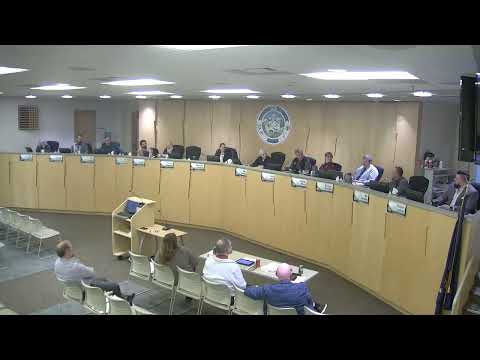
Assembly debates funding and value of community comprehensive plans as planning staff capacity dwindles
Summary
Planning staff said many community comprehensive plans are aging and a modest project account will lapse in June; assembly members split between preserving community planning funding and cutting or prioritizing updates given limited staff and budget constraints.
Alex Strahan, the borough planning director, presented an inventory of community comprehensive plans and told the joint meeting that many plans are old and that the planning office will lack earmarked funds after a roughly $100,000 project account lapses in June. He said the office currently lacks capacity—only two long-range planners remain—and that doing comprehensive-plan updates at scale would require sustained staffing.
"We have around $100,000 in a project account that is going to lapse in June...right now we do not have anybody in our office that has done a comprehensive plan," Strahan said, urging discussion about prioritization and resourcing heading into budget season.
Assembly members debated the value and frequency of updates. Some said comprehensive plans are vital community tools that enable later zoning steps or special-use districts and generate broader public participation; others said many community councils rarely use their comp plans and that blanket funding is not always cost-effective.
One assembly member cited Big Lake’s 1995 plan (updated in 2009) as an example of a plan that generated sustained local engagement and guidance for later actions. Another lawmaker urged caution about funding levels and recommended a targeted, demand-driven approach so the borough does not create unfunded ongoing obligations.
Staff and members agreed that if the assembly wants a sustained program of community plan updates the borough would need to budget for staff capacity and a realistic maintenance schedule. The manager’s office told members the proposed budget under development would not include significant new planning capacity for community-plan updates.
No formal vote was taken; the assembly signaled interest in continuing community engagement around prioritization and exploring the budget trade-offs during the upcoming budget process.