Lifetime Citizen Portal Access — AI Briefings, Alerts & Unlimited Follows
Officials, residents weigh Matanuska River gravel extraction as erosion control
Loading...
Summary
Borough staff reviewed decades of studies on Matanuska River erosion and past gravel-extraction proposals; residents and industry urged exploration of winter extraction and public–private partnerships, while staff and the Army Corps’ prior work say long-term maintenance, permitting and costs make extraction uncertain.
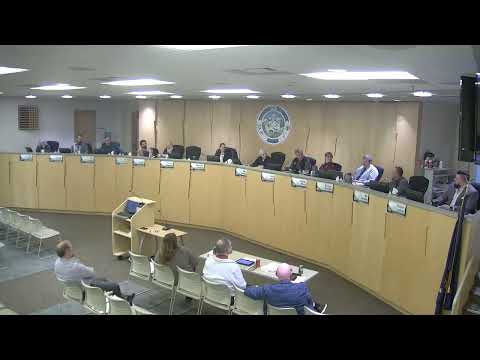
Alex Strahan, the borough’s planning director, told a joint meeting of the Matanuska-Susitna Borough Assembly and Planning Commission that the Matanuska River is a state-managed navigable water and that proposals to extract gravel to address erosion have a long, mixed history.
Strahan summarized studies dating to the 1950s and said the Army Corps of Engineers and other analyses in recent decades repeatedly found gravel extraction would require large up-front work and recurring annual maintenance. “If you want it to stay there, you have to keep doing it every year,” he said, noting a 1992 U.S. Army Corps cost estimate that would translate into hundreds of millions over a multi-decade horizon.
The technical and regulatory hurdles drew questions from assembly members about whether the material would be marketable and who would hold authority to sell or permit extraction. Strahan said the riverbed is a state resource and “any sale of gravel would have to come from the state,” adding that other entities (including regional Native corporations) may have interests in material removal and that federal and state permits would likely be required.
Industry and residents at the meeting urged further study rather than immediate rejection. Steve Culligan, speaking for a group of aggregate producers, said operators can meet environmental and operational best practices and offered the industry’s help in defining workable approaches. “We’re here to professionally listen, see what the ideas are of identifying the problem, and see what solutions there are,” Culligan said.
North Lakes Community Council member Rod Hansen and other residents urged the borough to consider seasonal (winter) extraction and public–private partnerships that could reduce costs and provide local supplies of aggregate while addressing erosion. Simon Gilliland said the Southern route support and gravel extraction “worked before,” and suggested it could spare residents the costs and disruptions of buyouts.
Staff cautioned the assembly that previous Corps and DOT work eliminated gravel extraction as a broadly viable long-term erosion-control measure in several analyses, and that success depends on the type and annual volume of material that replenishes the channel. Strahan noted that some earlier proposals assumed conveyor or rail haul options, and that whether revenue from material sales would offset construction and recurring maintenance remains a central question.
The meeting produced no formal motion or vote. Staff said the borough will continue outreach with state agencies (DNR and DOT) and stakeholders to explore whether a limited pilot, partnership, or additional field study is warranted. The borough emphasized that any future effort would need detailed permitting, environmental review, and a sustainable funding plan before construction or extraction could begin.
The assembly did not direct immediate action; staff said they will pursue additional state engagement and report back as information develops.