Get Full Government Meeting Transcripts, Videos, & Alerts Forever!
Get email alerts on the Technology topic
No spam. Unsubscribe anytime.
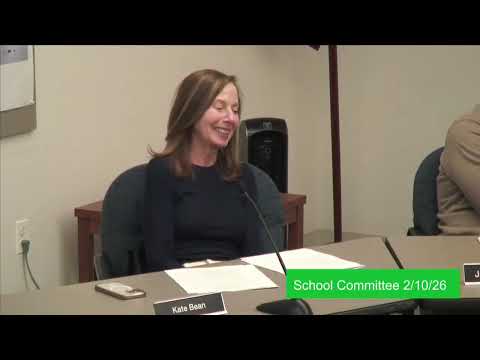
Longmeadow committee directs administration to develop optional Chromebook protection plan after lengthy debate
Summary
After extended debate about device quality, cost and equity, the Longmeadow School Committee voted to direct administration to create an optional Chromebook protection plan for grades 6–12, including a revolving fund and an anticipated $30 annual per-device fee for families who opt in.
The Longmeadow School Committee voted March 10 to direct the administration to create and implement an optional Chromebook protection plan for the 2026–27 school year, following an extended discussion about device quality, replacement costs and how families should share responsibility for damaged school devices.
Administrators proposed an opt-in plan that would charge about $30 a year per device, with discounts for households with multiple students and subsidies for families unable to pay. The plan would cover accidental damage and certain documented thefts; intentional damage and lost devices would be excluded. Administration said the district's current replacement cost is about $250 per Chromebook.
"Covered by the plan would be accidental damage — student drops their device, they spill something on it," said the staff member leading the presentation, who described the plan as intended to support learning continuity and to help the district manage the cost of replacing devices. IT Director Nick George said the district recorded roughly 22 broken or cracked-screen cases this year and recently purchased a batch of 800 new devices to reduce failure rates.
A committee member who opposed the approach argued the policy forces parents to finance replacement of low-quality devices and said the district should consider buying a more durable fleet. "I don't like the policy… it's just the way it is — they're junk," the member said, arguing families would opt out and still demand replacements. Administrators responded that the plan is optional and aimed at reducing the frequency of difficult billing conversations with families.
On implementation details, administrators said families would opt in or opt out through PowerSchool and that the plan would apply to students in grades 6–12, since elementary devices are typically left in classroom storage. They also proposed creating a revolving account to hold plan receipts and pay for replacements and spares.
The motion directing the administration to create the plan and establish a revolving account passed by roll call. Committee members asked administration to return with additional data — including how many replacement charges the district has actually collected historically and a clearer estimate of annual claim frequency — before finalizing enrollment deadlines and claims procedures.
The committee's vote sent the item back to administration for final policy and operational details and to prepare communications for families about opt-in deadlines and subsidy options.