Get Full Government Meeting Transcripts, Videos, & Alerts Forever!
Get email alerts on the Smart Activities Priority List topic
No spam. Unsubscribe anytime.
San Mateo reviews 56 'smart activities' priorities ahead of June adoption
Summary
City council reviewed a 56-item "smart activities" priority list March 16, hearing public calls for faster, simpler traffic-calming and sparring over staffing and timelines while staff outlined climate, transportation, housing and economic initiatives ahead of a June adoption with the budget.
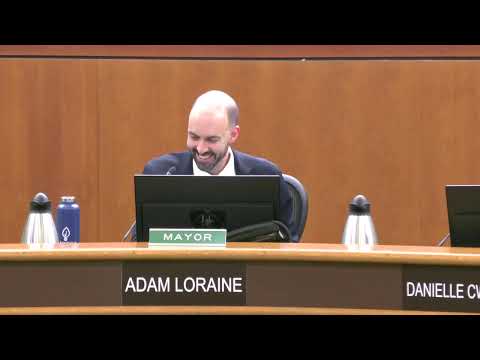
San Mateo City Council held a special meeting March 16 to solicit final feedback on a 56‑item “smart activities” priority list that staff plans to present for adoption alongside the fiscal year budget in June. Zach Rada, a senior management analyst, told the council this was "the final opportunity for the public and council to provide any revisions to the smart activity priority list" before the June adoption.
The presentation laid out initiatives across 10 strategic areas, from climate‑resiliency work — including a sea‑level rise adaptation plan and Marina Lagoon spot dredging — to infrastructure upgrades, transportation projects that require Caltrans authorization, housing‑policy changes and downtown economic development strategies. Transportation items singled out included the 19th Avenue Fashion Island multimodal project and efforts to secure authorization from Caltrans for local roadway safety projects.
Public commenters pressed the council on quicker, simpler traffic‑calming work. "We do need a less complicated and faster process for traffic calming," said Lori Watanueke of the Central Neighborhood Association, urging more funding and speed humps to reduce speeding and cut‑through traffic. Remote commenter Mike Zweier said speed humps are "cheap" and urged a new process and funding stream so neighborhoods do not face years of delay.
Several council members and staff discussed resource limits, implementation sequencing and programmatic scope. Council members asked whether the list under‑represents economic development; staff noted a separate economic development work plan and said the city’s ED team currently functions with roughly one full‑time equivalent. "We're beginning to work through that, and we'll provide an annual update," staff said about the ED work plan. Council member Newsom raised concerns about potential food‑access impacts from redevelopment and the city’s need to retain hotel tax revenues.
On transportation timing, public works staff said projects such as a Hillsdale traffic signal and other corridor work are on near‑term schedules but cautioned that procurement lead times for traffic signal poles (25–30 weeks) could affect construction windows. On traffic calming, staff and council debated whether loosening petition thresholds would speed implementation; staff warned that easing thresholds without increasing program resources might not accelerate delivery.
Other items on the SMART list included pursuing electric vehicle charging and municipal solar/battery options, a comprehensive zoning code update tied to the housing element, senior programming and feasibility studies for recreation and aquatic facilities, and a proposed November 2026 charter measure about district elections. Council members also asked staff for an update on a possible project labor agreement and outreach with local labor councils.
The council and staff agreed to carry the list forward, with staff incorporating feedback for the June adoption process during the city budget hearings. The special meeting was adjourned and the council moved to its regular meeting later the same evening.