Lifetime Citizen Portal Access — AI Briefings, Alerts & Unlimited Follows
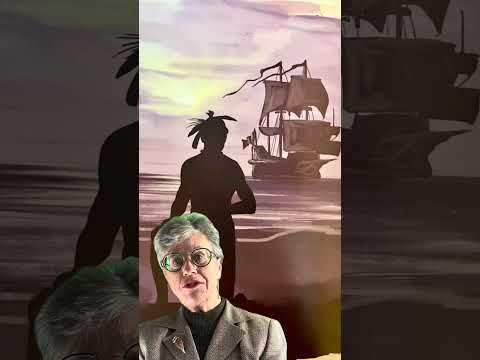
Presenter traces Indigenous history of Georgetown County
Loading...
Summary
A presenter described Georgetown County’s Indigenous past, naming local tribes (Waccamaw, Winyah, Santee, Pee Dee), citing archaeological evidence of villages by about 1500, and saying colonial trade and forced removals affected local Native people.
A presenter outlined the Indigenous history of what is now Georgetown County, saying tribes including the Waccamaw, Winyah, Santee and Pee Dee lived in the area long before European colonists.
"When we focus on Georgetown County's history, isn't it exciting to know that Native Americans, native people, indigenous people were here before we ever were?" the presenter asked, arguing the county’s history begins with those communities.
The presenter tied tribal names to local geography, saying the Waccamaw take their name from the river and the Winyah from a large bay that forms a distinct bend into the Atlantic Ocean. The presenter described archaeological evidence showing seasonal campsites in the Mississippian period and said that by about 1500, villages had been established in the region. The presenter noted Woodland-period pottery was used to store and transport food and water.
Discussing early colonial contact, the presenter said that by about 1700 colonial trading posts exchanged skins and furs for guns and ammunition and asserted that some indigenous people were captured by colonists and sold into slavery in Antigua and elsewhere in the West Indies. The transcript records no response or additional sourcing for that specific assertion in the session.
The presenter also said Indigenous people began using horses and observed pigs left from early Spanish travel, which contributed to more sedentary patterns of hunting, fishing and gathering similar to those used by present-day residents. The presenter emphasized that descendants of the Waccamaw and the Pee Dee still live in Georgetown County, in neighboring Horry County and elsewhere in the United States.
No formal action or vote on these historical findings was recorded in the provided transcript. The remarks were a presentation of historical and archaeological claims rather than a request for policy action. Further documentation or citation would be needed to substantiate specific historical claims referenced during the talk.