Longmeadow schools describe ADL-linked 'No Place for Hate' efforts and student-led lessons
Loading...
Summary
District staff and student leaders said three Longmeadow schools have ADL No Place for Hate designations and described assemblies, lessons on microaggressions, kindness cards, and a high-school peer-leadership curriculum expanding lessons on offensive slurs and intellectual disability.
District staff and students presented the No Place for Hate initiative (the Anti-Defamation League framework) and described school-level activities intended to reduce bias and increase belonging.
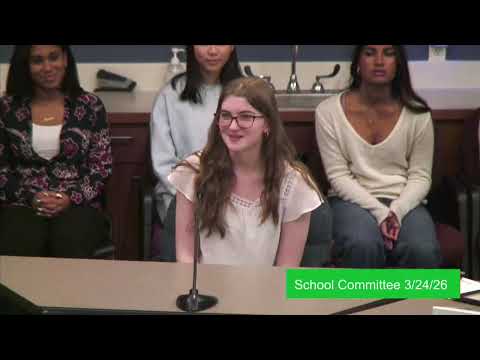
"This work is connected to our district improvement plan," said Dr. Nilda Irizarry, director of student and family support, adding that three Longmeadow schools received the ADL designation and that student leadership — not just staff — has driven much of the work. Staff and student presenters from Williams Middle School, Glenbrook Middle School and Longmeadow High School described assemblies and half-day workshops that taught students about microaggressions and bystander allyship, and reported behavioral changes such as increased peer intervention and broader student participation.
At Williams, 19 eighth graders have participated in No Place for Hate this year and led an all-school assembly; staff described weekly "kindness cards" distributed to students and an end-of-year award for the grade with the most cards. At Glenbrook, advisers described anti-bias training, a positive-affirmation wall and student-run workshops. At the high school, peer leadership advisers outlined a three-lesson curriculum (the blind-maze mental-health exercise, a "diversity iceberg" lesson and an allyship/"voices of LHS" unit) and said the group added a focused lesson on eliminating the "r-word" and addressing intellectual-disability stigma in ninth-grade wellness classes.
Superintendent Marty O'Shea and committee members praised the student leadership and the program’s role in building inclusive school culture. Committee members asked no formal question that changed program direction; the presentation was informational and the committee thanked student leaders and advisors for their work.