BOCES and district present budgets as board prepares April revenue review
Loading...
Summary
Orange Ulster BOCES and Middletown district staff presented administrative, capital and instructional budget details; trustees were briefed on retiree health, capital project progress, BOCES apportionments and district instructional drivers including CTE expansion and interscholastic programs.
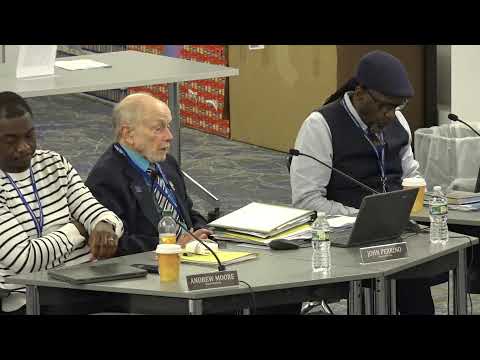
At the March board meeting, Orange Ulster BOCES and Middletown district leaders presented budget details and a calendar of upcoming revenue and adoption dates as the board prepares for an April revenue discussion.
Deborah Hepis, chief operating officer for Orange Ulster BOCES, outlined the BOCES administrative budget and related capital and rental components. She said the administrative budget increase (before adjustments) landed near 1.7% and highlighted a consolidated retiree health line that covers roughly 583 retirees. Hepis said the capital project is funded by a 20‑year bond and is roughly halfway complete; she detailed short‑term leases used to store precast and HVAC equipment and estimated about $1,000,000 in procurement savings through early purchases. She also noted career and technical enrollment (5,531 students across BOCES programs) and the role BOCES plays in district program options.
District leadership then presented the instructional portion of the Middletown budget, which they said represents 58% of the total. Presenters listed recent adjustments used in budget development: a Teacher Retirement System (TRS) assumption of 9.5%, an Employee Retirement System (ERS) assumption of 16.5% and an $8,000,000 contractual salaries figure. The instructional budget growth drivers included increased participation in career and technical education (health and construction), new or expanded interscholastic opportunities (flag football, girls wrestling, esports, boys volleyball, unified basketball, girls golf, bowling) and food‑service planning intended to sustain universal breakfast and lunch programs.
Trustees asked specific questions about food service stability and federal/state support. District finance staff said the food service operation has run healthy cash flow, benefits from community eligible program support and has monitoring in place; the team described the budget entry as a safeguard against possible changes rather than an indication of immediate deficit. Presenters emphasized continued advocacy for an increase in foundation aid at the state level and reviewed important dates: a revenue discussion on April 9, a budget hearing in May, and an adoption target in mid‑May ahead of the district’s election day.
Board members also discussed capital change orders and construction milestones; project managers reported the building project remains on schedule for a September 1 milestone and that contractors will continue work through spring break. Several routine personnel and financial memoranda were approved by voice vote during the meeting.
The board did not adopt a final budget at this meeting; district staff said they will return with revenue updates and a budget recap ahead of formal adoption votes.