
Global first spouses and U.S. science adviser push K–12 AI education and teacher training
Get AI-powered insights, summaries, and transcripts
Sign Up Free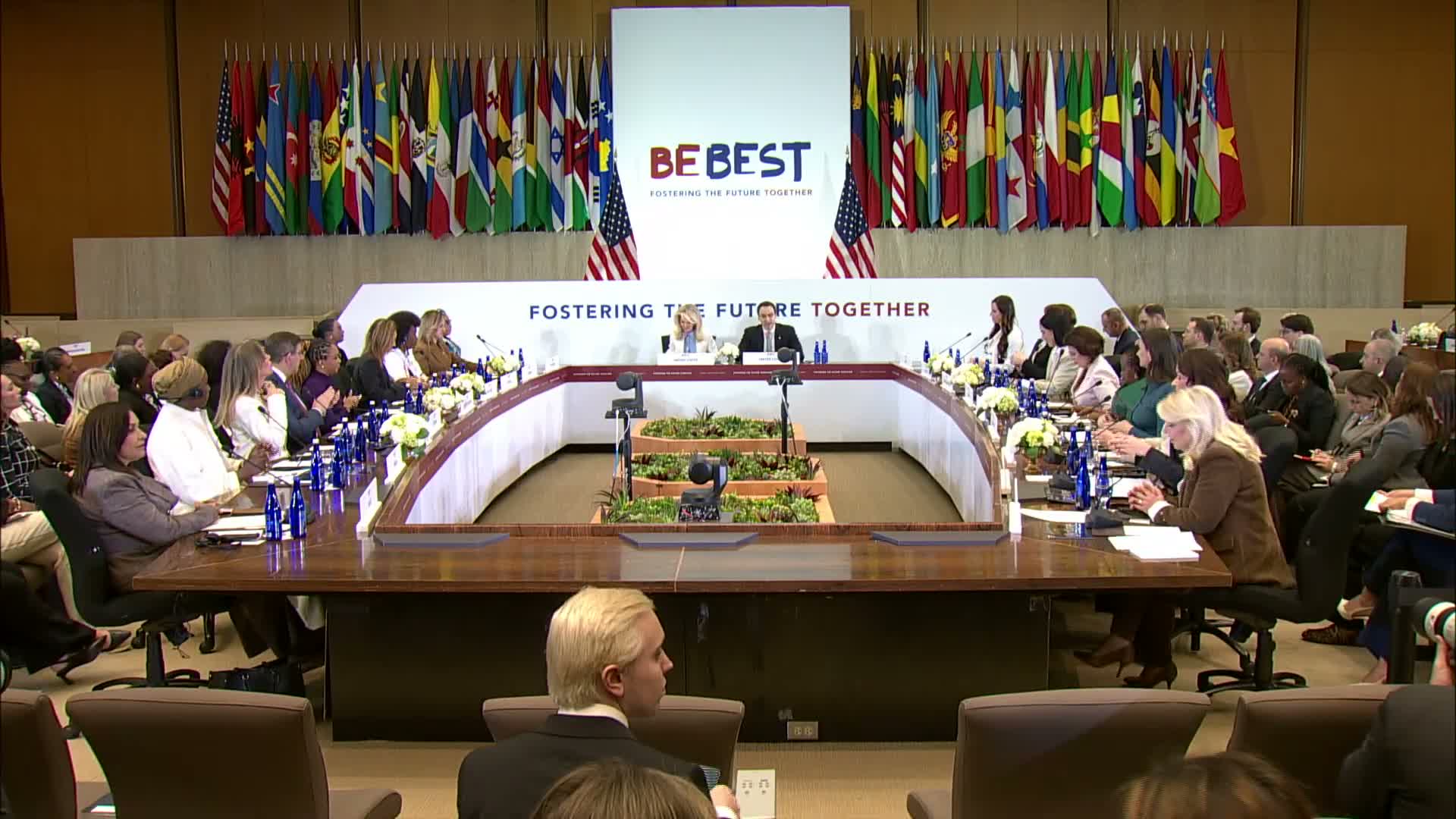
Summary
Speakers at the Fostering the Future Together summit urged countries to teach foundational AI concepts in K–12 classrooms, pair tools with teacher training, and prioritize child safety and ethical safeguards as nations scale AI in education.
Michael Kratios, director of the White House Office of Science and Technology Policy, opened the summit’s discussion on artificial intelligence in schools by calling AI a "foundational" technology that should be taught early. "Every student should learn basic foundational knowledge about AI," Kratios said, urging investment in teacher training and interagency cooperation.
Speakers from multiple countries described national efforts that pair technology deployment with safeguards. Mirella Becci Korovec, the first lady of Bosnia and Herzegovina, said AI must "support teachers and not replace them," and highlighted university-led AI work and child-protection concerns. Olena Zelenska, first lady of Ukraine, described a national edutainment platform and plans to connect thousands more schools, saying digital systems helped sustain government services during wartime.
Delegations emphasized practical steps: Serbia described a national curriculum that integrates programming and a national contact center for children's online safety; Costa Rica highlighted a 2024 national AI strategy and a guide for educators; Estonia pointed to a long-running digital transformation program that couples tools with teacher training and evaluation. Ales Musar of Slovenia urged formation of a permanent think tank on AI ethics for children.
Speakers frequently framed AI education as a balance of opportunity and risk. Panel remarks underscored three recurring priorities: (1) teach foundational AI concepts and critical thinking in K–12; (2) equip and train teachers so tools enhance instruction rather than replace educators; and (3) build safety-by-design protections—data safeguards, content moderation, and rapid-response complaint mechanisms—tailored to children.
The session produced commitments to share best practices and host regional follow-ups, but no formal multilateral agreement or binding action was announced. The discussion closed with an emphasis on collaboration among governments, educators, civil society and the private sector to scale teacher-centered AI initiatives while protecting children’s rights and safety.