Get Full Government Meeting Transcripts, Videos, & Alerts Forever!
Get email alerts on the Police Training topic
No spam. Unsubscribe anytime.
Denver committee hears police and sheriff training briefings; officials cite hands-on needs, range capacity and wellness supports
Summary
The City Council Health and Safety Committee received a Jan. 21 briefing from Denver Police and the Denver Sheriff's Department on mandatory POST training, hands-on skills, range capacity and officer wellness; presenters said staffing and limited range stalls constrain how quickly the agencies can train personnel.
The Denver City Council Health and Safety Committee on Jan. 21 heard a joint briefing from the Denver Police Department and the Denver Sheriff's Department on officer training, logistics and wellness supports.
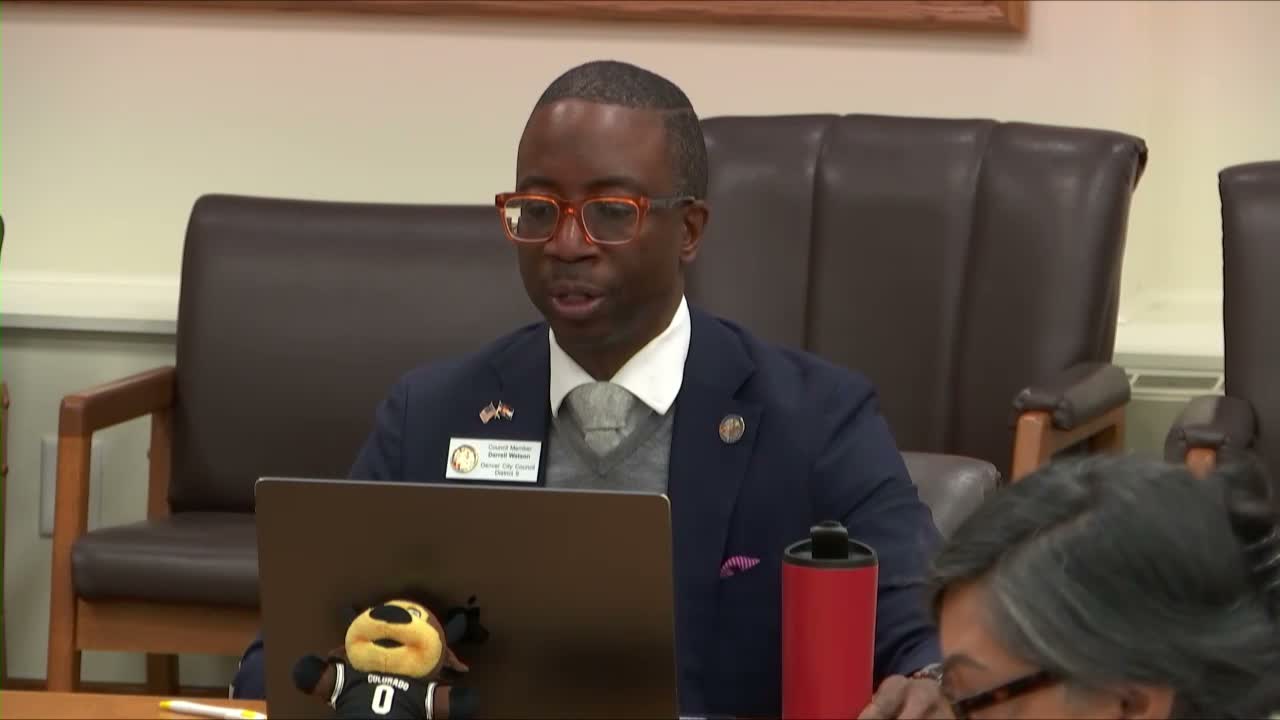
Committee Chair Daryl Watson opened the meeting and invited agency representatives to explain how state-mandated training and local programs are delivered. Department presenters said the Colorado POST minimum requires 24 hours of annual continuing education, ‘‘12 of which are what we call perishable skills,’’ including arrest control, emergency vehicle operations and firearms training, and that agencies supplement those minimums with locally run programs such as active-bystander (ABLE) training and crisis-intervention instruction.
The training leads said hands-on instruction is essential for many of those skills. ‘‘You can't train arrest control off of the video,’’ Lieutenant Jesse Campion said, adding that firearms, driving and defensive tactics require in-person, decision-focused training rather than rote online modules. Campion described a training mix of perishable skills, reality-based scenarios and classroom teaching used across recruits and in-service personnel.
Presenters also identified capacity constraints. The two agencies share a range the briefing described as having roughly 15 firing stalls, which both departments called a scheduling ‘‘choke point’’ for annual firearms qualifications. Agency presenters said they try to minimize operational impacts by distributing instructors across shifts and scheduling many sessions across weekdays and weekends, but they acknowledged limits: ‘‘When you look at trying to train 1,400-plus officers, that becomes a significant lift,’’ a presenter said, noting the coordination required to keep patrol coverage while people attend training.
Council members raised operational follow-ups. Councilmember Jamie Torres asked how state laws or settlement requirements are incorporated into training; DPD described a quarterly trends group (internal affairs, conduct review, the independent monitor and the executive director of the CHT office) that identifies issues and pushes new training through the professional development unit, sometimes via a rapid training bulletin and other times as a longer multi-agency curriculum. "That turnaround can be pretty quick," a presenter said, while noting some items require partner review and take longer.
Several council members asked about officer wellbeing and overtime. Presenters described reintegration programs for officers returning from leave, a peer-support network (dozens of trained peer supporters), and wellness coordinators embedded to help officers manage traumatic stress. On the question of training costs, the academy's director said ammunition and qualification costs are part of the department budget and are not paid for personally by officers.
The Denver Sheriff's Department said it is adopting an adaptation of the ABLE program tailored to corrections staff and plans to stagger rollout to reduce burden on staff by delivering training in shorter, repeated sessions rather than single 8-hour pulls. Sheriff's Department leaders described limited classroom, mat and padded-cell space used for scenario training and asked the council to note those infrastructure needs when considering facilities improvements.
The committee did not vote on any actions during the briefing. Chair Watson thanked the presenters and moved to the next scheduled briefing from the city attorney's office.
What's next: Council members asked staff and the agencies for follow-up details on range capacity, a breakdown of what training is delivered online versus in person, and more precise staffing impacts when officers are pulled for multi-day courses.