Get Full Government Meeting Transcripts, Videos, & Alerts Forever!
Get email alerts on the Blight Demolition topic
No spam. Unsubscribe anytime.
Highland Park aims to cut city-owned inventory, pursues demolitions and nuisance-abatement actions
Summary
Mayor Glenda McDonald said the city is prioritizing demolition of hazardous properties, pursuing nuisance-abatement actions against 13 entities (about 19 properties), restarting enforcement and selling city-owned lots to return parcels to the tax roll.
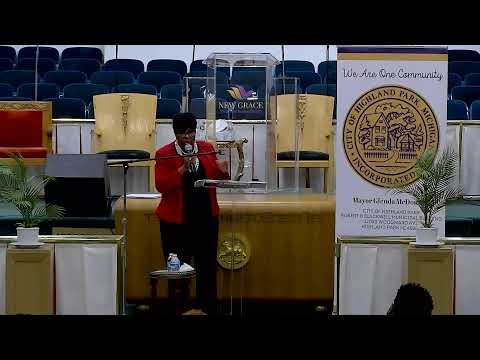
In her State of the City address, Mayor Glenda McDonald outlined the administration's strategy to reduce blight, return property to the tax rolls and accelerate demolitions of hazardous buildings.
McDonald reported the city sold 19 vacant residential lots for $9,500 at auction and seven city-owned residential structures for $58,850, which she said removes liabilities and returns parcels to taxable ownership. She said nine purchase options are pending and that the city has potential additional revenue of about $109,750 when those transactions close. The mayor set a goal to decrease publicly owned inventory by 20 percent and estimated about 440 parcels need to be sold to reach that target.
On demolition and abatement, McDonald described a nuisance-abatement effort ("phase 1 of NAP") that targets 13 entities responsible for a total of 19 blighted properties; she said limited demolition funds forced the city to prioritize the most dangerous structures. She also noted an ongoing partnership with the Wayne County Land Bank, which has been conducting demolitions in the area for more than a year.
The mayor announced plans to reestablish the historic commission and an illegal-dumping task force, and reiterated plans to coordinate code enforcement, administrative hearings and legal effects to reduce blight. She encouraged residents to report dumping and property code violations to the police or code enforcer rather than confronting violators.
McDonald said the legal department has worked with the economic development director to encourage new developments that will increase the city's taxable value, and she asked residents to have paperwork and liabilities in order before applying to purchase city-owned property.